
Summary:
Inflammation has become a catch all explanation. It is blamed for fatigue, for weight, for aching joints, and for almost any symptom that resists a tidy diagnosis. Somewhere in that noise, the genuinely useful clinical meaning gets lost.
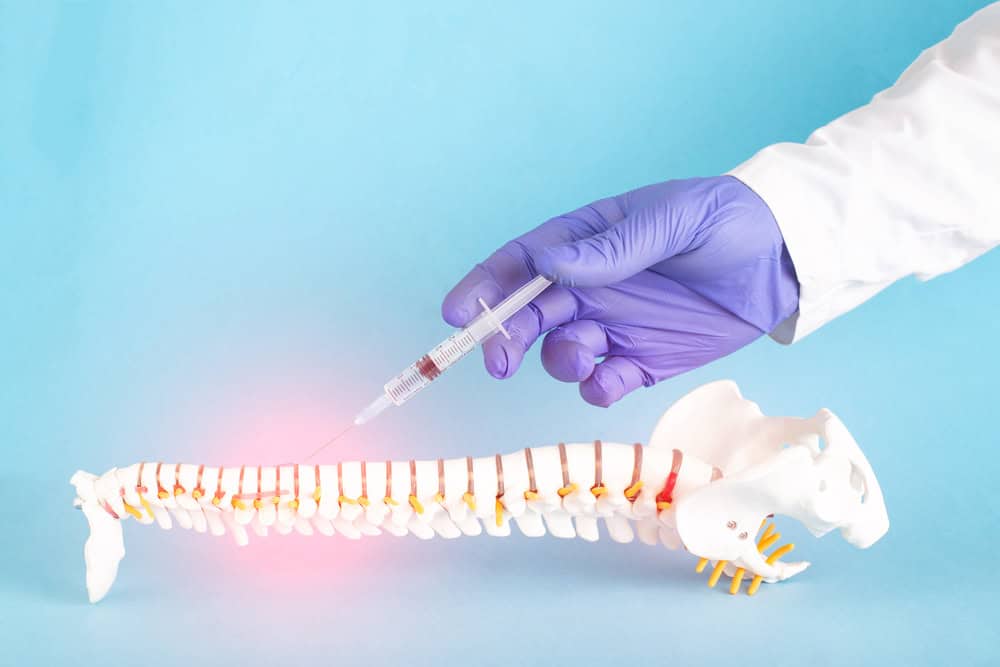
It is worth reclaiming, because inflammation really is central to a lot of spine pain. When a disc herniates, the material that escapes is chemically irritating to the nerve root beside it. Much of the pain that follows comes from that chemical irritation rather than from pressure alone, which is precisely why targeted anti inflammatory treatment can work so well.
Here is what inflammation does, what it does not do, and how it is managed sensibly.
What Inflammation Actually Does In Chronic Pain
Inflammation is a coordinated response. When tissue is damaged, the body increases blood flow to the area and releases chemical messengers that recruit repair cells. Those same chemicals make nearby nerve endings more sensitive, which is why an inflamed area hurts when touched. That sensitivity is deliberate. It stops you using the part that needs to heal.
In an ordinary injury this process peaks within days and resolves over a few weeks. In chronic pain, one of two things has typically happened. Either something is continuing to provoke the response, such as a joint that is repeatedly irritated by the way you move, or the resolution phase has not completed properly and a lower grade inflammatory state persists. In both cases the nerve endings in that area stay more sensitive than they should be, and pain continues without the drama of visible swelling.

Is Inflammation Always The Cause Of Ongoing Pain?
No, and this is where a lot of well intentioned advice goes astray. Inflammation is one mechanism among several, and in long standing pain it is often not the dominant one. Assuming everything is inflammatory leads people to keep taking anti inflammatory medication for months with steadily diminishing returns.
The other major mechanisms are worth knowing. Mechanical pain comes from tissue being loaded in a way it cannot currently tolerate, and it responds to changing the load, not to reducing inflammation. Neuropathic pain comes from a nerve that is irritated, compressed or damaged, and it has a distinctive burning, electrical or shooting quality, often with numbness or pins and needles. Central sensitization describes a nervous system that has become more reactive over time, so that ordinary signals are amplified. That one is not inflammatory at all in the usual sense, and anti inflammatory approaches do very little for it.
Most people with persistent pain have a mixture, and the proportions shift over time. A herniated disc might start out overwhelmingly inflammatory, with chemical irritation of the nerve root driving intense leg pain, and end up months later as a mostly mechanical and sensitization problem, with the inflammatory component largely gone. Treatment that does not evolve alongside that shift stops working, and it usually stops working gradually enough that nobody notices why.
This is the practical reason a proper diagnosis matters more than a label. Knowing that your pain is largely inflammatory around a specific nerve root points toward one treatment. Knowing it is mechanical and sensitization driven points somewhere else entirely. The word inflammation on its own does not tell you which situation you are in.
Acute Inflammation Versus The Low Grade Kind That Lingers
Acute inflammation is loud. Heat, swelling, redness, marked tenderness, pain that is obviously worse than it was yesterday. It has a clear beginning and, in most cases, a clear end. It is also the version that responds most predictably to ice, relative rest and short term anti inflammatory measures.
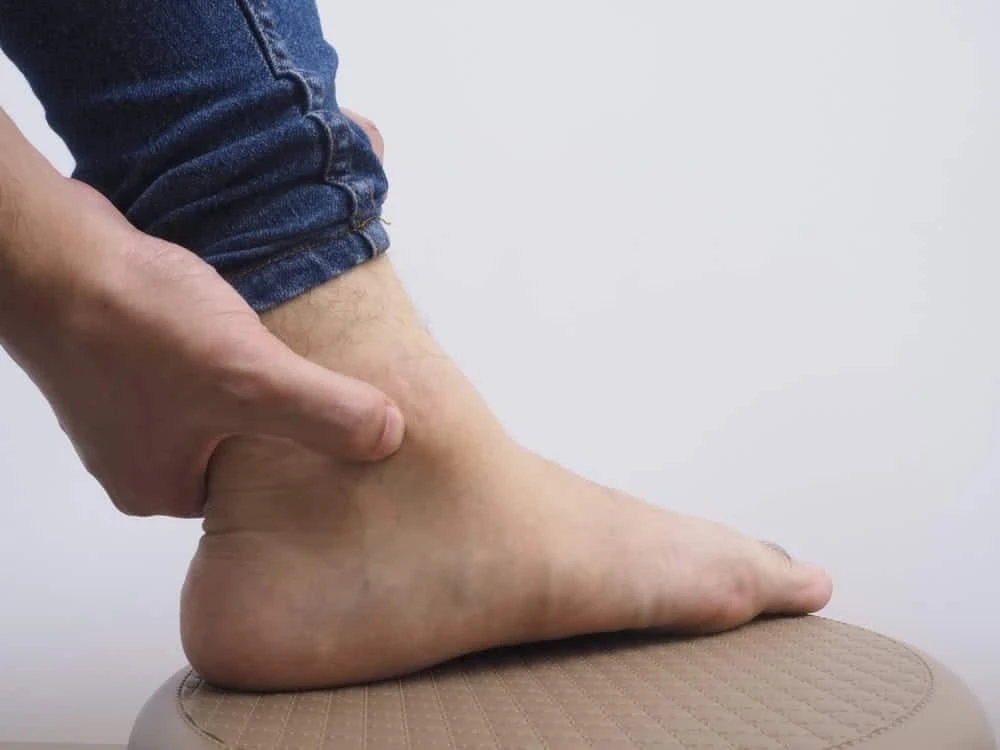
The lingering version is quiet, and that is what makes it confusing. There may be no visible swelling and no dramatic tenderness. What you notice instead is stiffness that takes half an hour to loosen in the morning, a joint that aches after use rather than during it, symptoms that flare for reasons you cannot pin down, and a general sense that the area never quite settles. This kind of low grade activity can persist around facet joints, sacroiliac joints and irritated nerve roots for a long time.
There is a third category that must be separated out, because it is treated completely differently. Inflammatory arthritis, such as ankylosing spondylitis and related conditions, is driven by the immune system rather than by mechanical wear. The classic pattern is back pain and stiffness that is worse in the morning and after rest, improves with activity rather than worsening, often begins before middle age, and may come with other features such as eye inflammation or bowel symptoms. That pattern deserves specific evaluation, because the treatment pathway involves rheumatology rather than mechanical spine care.
Pain accompanied by fever, unexplained weight loss, night sweats or a history of cancer needs prompt medical assessment as well. Infection and other serious causes are uncommon, but they are exactly the situations where waiting is the wrong choice, and they are part of why persistent pain deserves a proper examination rather than a self diagnosis.
Want live answers?
Connect with a NY Spine Medicine expert for fast, friendly support.
Where Inflammation Fits In Spine And Nerve Pain
In the spine, the clearest example is the herniated disc. When the inner material of a disc escapes through the outer wall, it comes into contact with the nerve root, and it is chemically irritating. Patients frequently have severe leg pain with only modest compression visible on imaging, and the explanation is that inflammation, not just mechanical pressure, is doing much of the work.
Facet joints behave similarly. These small joints have a rich nerve supply and become inflamed when they are repeatedly overloaded, which is why the pain is often worse with extension and after prolonged standing. Spinal stenosis adds another layer, because inflammation in a canal that is already narrowed leaves even less room for the nerves passing through it. In each of these cases, reducing inflammation directly at the affected structure can produce meaningful relief.
Medical And Interventional Strategies For Inflammatory Pain In NYC
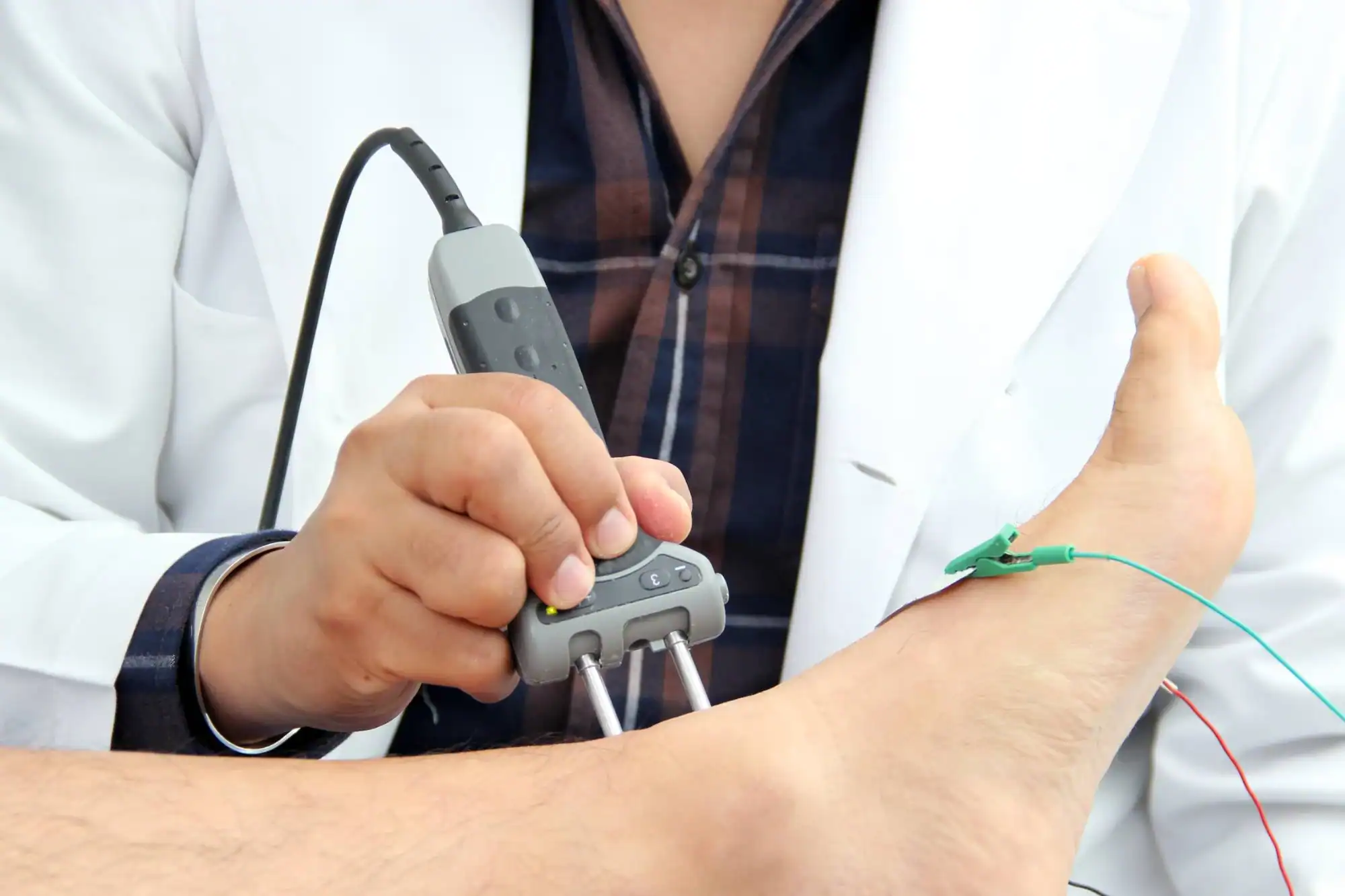
Oral anti inflammatory medication is usually the starting point, and for many people it is enough in the short term. It has limits, though. It acts throughout the body rather than at the site of the problem, the concentration reaching an inflamed nerve root is modest, and long term use carries risks to the stomach, kidneys and cardiovascular system that need to be weighed with your physician. Any decision about medication belongs in that conversation, not on a website.
When the inflammation is localized and identifiable, delivering the medication directly to it is far more efficient. An epidural steroid injection places anti inflammatory medication into the epidural space next to the irritated nerve root. It is performed under fluoroscopy, meaning live X-ray, with contrast used to confirm placement before anything is delivered. That guidance is the difference between precise treatment and an educated guess. The procedure is typically an outpatient one and usually takes under thirty minutes.
For facet joint pain, a diagnostic block is used first to confirm that those joints are genuinely the source. If the response is clear but temporary, radiofrequency ablation can interrupt the small nerves that carry pain from those joints, and relief from that often lasts considerably longer. Sacroiliac joint injections follow a similar logic. Nerve blocks are used for specific nerve pain patterns, both to diagnose and to treat.
Physical therapy sits alongside all of this rather than after it. Reducing inflammation opens a window in which movement is tolerable, and using that window to restore strength and tolerance is what keeps the inflammation from being provoked all over again. Injections that are not followed by rehabilitation tend to buy time rather than change the trajectory, which is why we treat the two as one plan.
Daily Habits That Influence Inflammation, Sleep, Movement And Diet
Sleep is the most underrated variable in the whole picture. Insufficient sleep is associated with higher levels of inflammatory markers and with a measurably lower pain threshold the following day. If pain is what is waking you, that is a clinical problem worth solving rather than something to endure, and it should be raised specifically with your physician.
Regular movement has a genuine anti inflammatory effect over time, which surprises people who assume that resting an inflamed area is always right. Brief rest during a flare is reasonable. Weeks of inactivity is not, because deconditioned tissue tolerates less and gets irritated more easily. Consistent moderate activity, built up gradually, does more for long term inflammatory load than any single intervention.
Diet gets a great deal of attention, and it deserves a measured account. Eating patterns rich in vegetables, fruit, whole grains, fish and olive oil, and lighter on heavily processed food and added sugar, are associated with lower inflammatory markers, and many people notice modest improvement in how they feel. What that evidence does not support is any claim that a particular food, spice or supplement will resolve spine pain. Treat diet as one contributing factor among several, and be skeptical of anything sold as a cure.
Stress belongs on this list too. Sustained stress affects immune and inflammatory signaling and raises the baseline alertness of the nervous system, so the same physical problem produces more pain. Smoking is worth naming directly, because it impairs blood supply to spinal discs and is associated with poorer outcomes in spine conditions. And where extra weight is loading the spine, gradual change helps, though it is rarely the whole answer and should never be the only thing offered.
None of these habits replaces treating the structure that hurts. They set the conditions in which treatment either works well or struggles, and in a city where sleep is short and stress is ambient, they are worth deliberate attention.
Managing Inflammation And Chronic Pain In New York City
The realiztic summary is that inflammation is a real and treatable contributor to spine pain, particularly around an irritated nerve root or an overloaded joint, but it is rarely the entire explanation once pain has lasted months. The value of an evaluation is in working out how much of your pain is inflammatory, how much is mechanical, and how much reflects a nervous system that has become more reactive, because each of those calls for something different.
At NY Spine Medicine, our physicians identify the specific structure involved and, where inflammation is driving the symptoms, treat it directly with fluoroscopically guided injections rather than hoping a systemic medication reaches the right place. Because physical therapy is provided in house at our Manhattan and Brooklyn offices, the relief an injection creates is immediately used to rebuild tolerance instead of being spent waiting for the next appointment. We also handle workers compensation and auto injury cases throughout New York City.
If you have been treating inflammation on your own without much progress, it is worth finding out what is actually driving your pain. Call us at 212-750-1155 to schedule an evaluation.