

Summary:
You got the injection, you made it home, and now you’re wondering whether that ache is normal. If you’re recovering in New York City, you’ve got extra questions on top of the medical ones. How do you get home without a packed subway car? What about the walk-up? When can you go back to your desk in Midtown? Whether you’re coming from Brooklyn, Queens, the Bronx, Staten Island, or elsewhere in Manhattan, recovery after a spinal injection comes down to a handful of smart moves. Here are five of them, starting with the part most people underestimate: the first two days.
What the Next Two Weeks Look Like After Your Spinal Injection
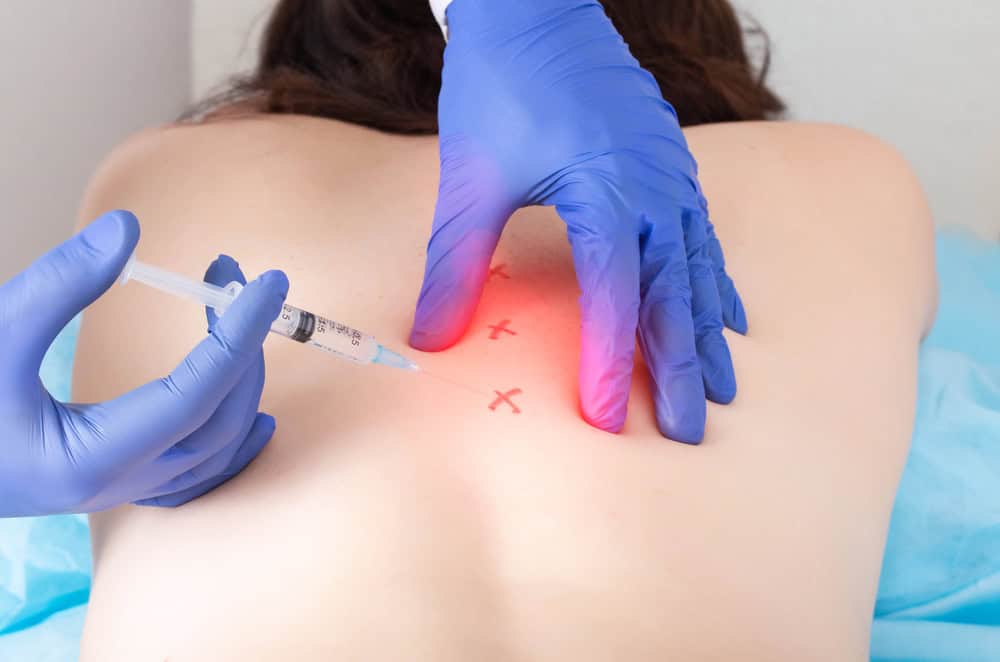
The injection itself is quick. According to Hospital for Special Surgery, it usually takes 20 minutes or less, and most people can return to normal activity soon after. That speed fools people into thinking recovery is quick too.
An epidural injection delivers anesthetic and a steroid into the space around irritated nerves, using X-ray guidance to confirm the needle is exactly where it should be. The numbing medicine fades within hours. The steroid works on a slower clock, with relief typically starting somewhere between three and seven days in and taking up to about two weeks to build.
So the real recovery period is a two-week stretch with a few distinct phases, and each one has its own job. Below, we’ve broken it into five tips, starting with the first day or two. This is general education, and the discharge instructions from your own physician always come first.

What Should You Do in the First 48 Hours After Your Spinal Injection?
Start with the ride home, because that’s the part nobody plans for. Most New Yorkers don’t drive much anyway, but the question is still who’s going with you and how you’re getting there. A cab or rideshare beats a packed rush-hour subway car by a wide margin, especially if you’re heading back to Brooklyn, Queens, the Bronx, or Staten Island and the trip runs long. You also shouldn’t drive for the first 24 hours, so if you keep a car in the outer boroughs, line up a different way home.
Once you’re there, take the rest of the day easy. Easy doesn’t mean flat on your back for three days, though. Prolonged bed rest doesn’t help, and short, gentle walks around your apartment or down the block are usually a better idea. What you want to skip is heavy lifting for about 48 hours. In New York City, that rule collides with daily life fast: the laundry bag, the grocery run, the tote that lives on one shoulder, the walk-up with four flights. Have someone else carry it, pack lighter, and take stairs slowly with a hand on the rail.
Winter deserves its own warning. Icy sidewalks are a fall risk for anyone, and a fall right after a spinal injection is the last thing you need. If the forecast looks bad, give yourself extra time and a car to the door.
Is Soreness After an Epidural Injection Normal? What to Watch For
Some soreness is normal, and knowing that makes the first couple of days a lot less stressful. In a prospective study of 282 spinal injections published in BMC Musculoskeletal Disorders, temporary pain at the injection site showed up in roughly a third to nearly three-quarters of patients, depending on the type of injection. For most people it fades within a day or two. If you have diabetes, a short rise in blood sugar can also happen, so keep an eye on your numbers.
The other thing that catches people off guard is the numbing medicine wearing off. Within about four to eight hours, your old pain may return, and that can feel like the injection didn’t work. It hasn’t had a chance yet. Some people notice a flare in the first few days before things settle. Ice wrapped in a thin towel for about 15 minutes at a time can take the edge off, and many sources suggest avoiding heat on the site early on. Your discharge instructions win over any general advice, ours included.
Then there’s the short list of symptoms that are not normal. Call us the same day if you have a fever above 101°F, new numbness or weakness, or a severe headache when you sit up. If you lose control of your bladder or bowels, go to the nearest emergency room and tell them you recently had a spinal injection. Living an hour from Midtown in the Bronx or on Staten Island doesn’t change that. The closest ER is the right answer.
Want live answers?
Connect with a NY Spine Medicine expert for fast, friendly support.
How Long Until a Spinal Injection Works? A Two-Week Timeline
Here’s the part that tests everyone’s patience. A spinal injection isn’t a light switch. Steroid relief typically begins three to seven days after the procedure and can take up to about two weeks to build. We put the peak right around the two-week mark, which is why that’s the fair time to judge the result, not day one or day two.
While you wait, keep a simple pain diary. Jot down your pain from 0 to 10, how you slept, how far you can walk, and what you did that day. In New York City, walking tolerance is easy to measure: how many blocks before it flares, or whether the station stairs bother you less than last week. When you sit down with your doctor, those notes turn “I think it helped a bit” into something we can actually work with.
When Can You Start Physical Therapy After Your Epidural Injection?
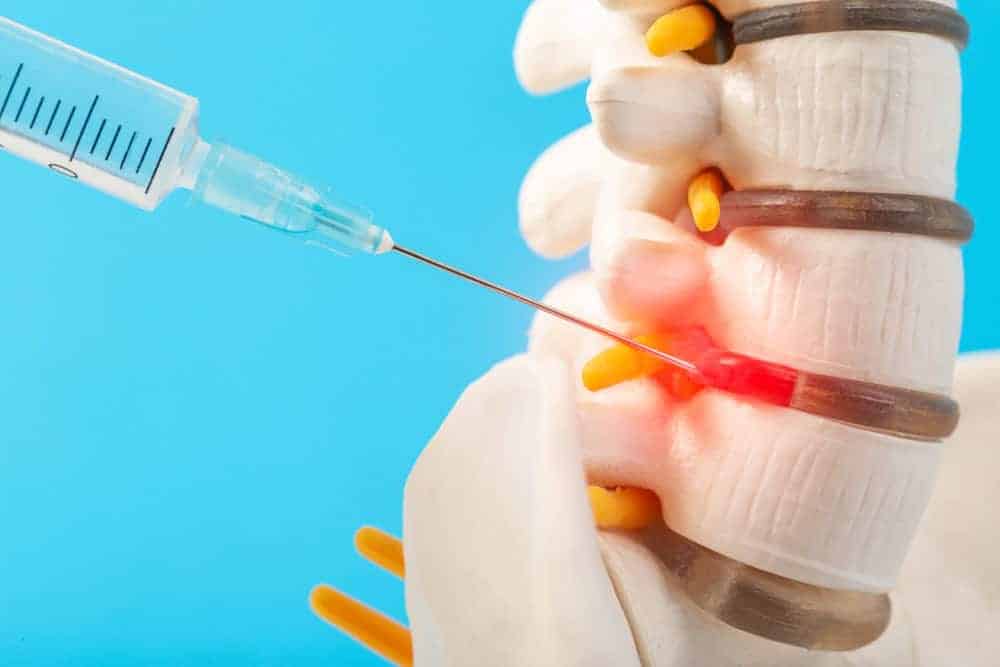
The injection calms inflammation. It doesn’t rebuild the muscles that hold your spine steady, and that’s the job of exercise. The American Academy of Orthopaedic Surgeons says most spinal injections are one part of a broader treatment program that nearly always includes exercise for mobility and stability. Think of the relief as a window, and physical therapy as what you do with it.
Timing depends on you and your doctor, but the general pattern is light walking within the first day, then light exercise and physical therapy resuming around day three for many patients. Don’t push through sharp pain just because you feel good for the first time in weeks. Feeling better is exactly when people overdo it, usually with a heavy bag or a long run of stairs.
The good news for outer-borough patients is that you don’t need to commute into Midtown for every session. Physical therapy can happen near home, whether that’s in Brooklyn, Queens, the Bronx, or Staten Island, and we coordinate with your therapist so the plan makes sense at both ends. If you work at a desk in Midtown, build movement into your day. Stand up regularly, take a short walk at lunch, and avoid hanging off a subway pole with a heavy bag pulling one shoulder down. Small habits like these are what protect the relief you’ve earned.
What If Your Spinal Injection Wears Off? Follow-Up Options
Let’s be honest about what an injection can and can’t do. Research on epidural steroid injections is mixed. The Medicare coverage review we looked at shows meaningful short-term pain relief in many studies, but less consistent evidence for long-term function. That’s why we treat the injection as a way to calm things down and open a window for rehab, not as a cure.
If the relief fades, or never really arrives, bring your pain diary to the follow-up. It shows whether the injection helped at all, how long it lasted, and what you were doing when the pain came back. From there, the options might include reviewing your imaging again, adjusting your rehab plan, or trying a different type of injection. How many injections you can have is a real question too. Some practices limit epidural injections to three or four per year in the same area, and insurers set their own rules, so it’s worth planning the sequence with your doctor rather than finding out at the front desk.
It also helps to know who’s answering those questions. Dr. Douglas Schottenstein is board certified in both pain medicine and neurology, trained in interventional pain management at Columbia/NewYork-Presbyterian, and completed his neurology training at Emory. When you’re comparing pain doctors, ask which board and which fellowship, and don’t accept a vague answer. Our Midtown office at 18 E 48th St is reachable from Grand Central on the 4, 5, and 6 or from 49th Street on the N, Q, R, and W, and we’ll go through your MRI results and your options in plain language.
Your Spinal Injection Recovery Plan for New York City
Recovery after a spinal injection comes down to five things. Plan the first 48 hours before procedure day. Expect some soreness, but know the red flags. Give the steroid up to two weeks before you judge it. Use the window for walking and physical therapy. Then plan your follow-up before the relief fades. None of it is complicated, but all of it is easier when someone tells you ahead of time.
If you’ve had an injection, or you’re scheduled for one, and you want a physician in your corner who explains things plainly, reach out to NY Spine Medicine. We see patients from Manhattan, Brooklyn, Queens, the Bronx, and Staten Island. This article is educational, so always follow the discharge instructions your own physician gave you.