
Summary:
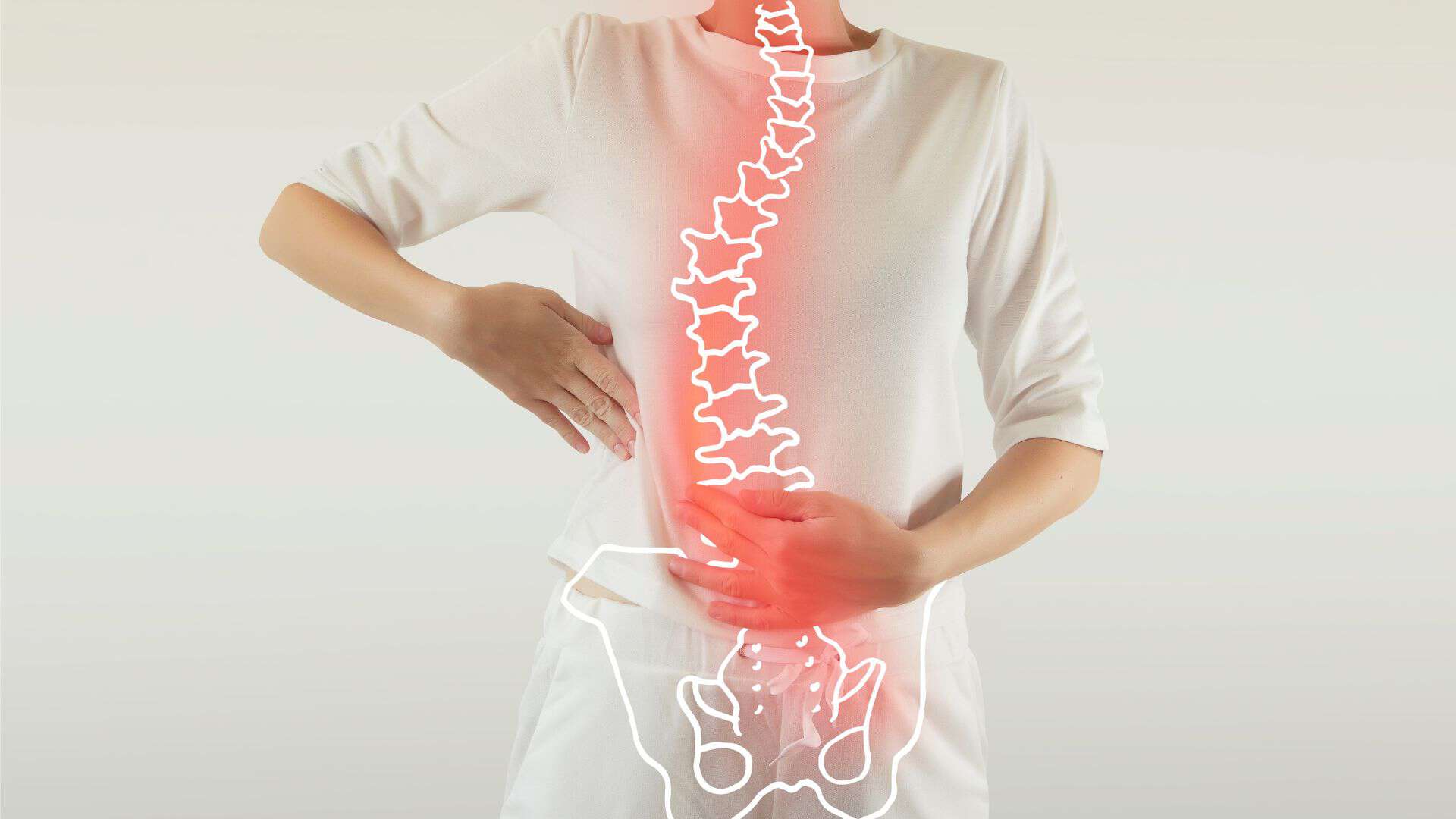
You got the injection. The pain has eased up — maybe more than it has in months. And now you’re wondering: what am I supposed to do with this? That question matters more than most people realize. An epidural steroid injection reduces the inflammation pressing on your spinal nerves, which buys you a real window of reduced pain. But it doesn’t rebuild the muscles that protect your spine. It doesn’t fix the underlying weakness that let the problem develop in the first place. What you do in the days and weeks after your injection is what determines whether this relief lasts or fades. Here’s what you need to know.
What an Epidural Injection Actually Does — and What It Doesn't
An epidural steroid injection delivers corticosteroid medication directly into the epidural space of the spine, reducing inflammation around compressed or irritated spinal nerves. For most people, the relief starts within two to seven days and can last anywhere from several weeks to several months. That’s a meaningful window — and it’s exactly what it’s designed to be.
What the injection doesn’t do is strengthen anything. It doesn’t rebuild the deep stabilizing muscles that support your vertebrae. It doesn’t correct the posture habits or muscular imbalances that may have contributed to your disc herniation, spinal stenosis, or radiculopathy in the first place. That’s not a criticism of the procedure — it’s just how it works. The injection handles the inflammation. The exercises handle the rest.

Why Most Patients See Their Pain Return Without Core Rehabilitation
Here’s something that doesn’t get said often enough: patients who receive an epidural injection and do nothing else are far more likely to see their pain return within weeks. The clinical evidence on this is consistent. Epidural steroid injections produce more durable outcomes when they’re combined with structured physical therapy and targeted exercise — not when they’re treated as a standalone fix.
The reason comes down to what’s actually holding your spine together. Your vertebrae are supported by a system of deep stabilizing muscles, most importantly the multifidus along the back of the spine and the transverse abdominis across the front and sides of the abdomen. When these muscles are weak — which they often are in people who’ve been dealing with chronic back pain — the discs and nerves absorb load they shouldn’t have to. That’s part of what causes the problem in the first place, and it’s what makes the problem come back if you don’t address it.
The injection reduces your pain enough to make movement possible. That’s the opening. Core strengthening exercises are what you do with it. Think of it this way: the injection lowers the barrier to rehabilitation, and rehabilitation is what produces lasting change. Skipping that second step is like filling a cracked foundation with putty and calling it done. The relief is real, but it won’t hold if the underlying structure isn’t addressed.
This is also why guidelines recommend no more than three epidural injections in a twelve-month period. Each injection is an opportunity — not a permanent solution — and the goal is to use that opportunity to build something more durable than the next round of relief.
When to Start Core Exercises After a Spinal Injection — and What to Expect First
Timing matters here, and getting it wrong in either direction causes problems. Moving too aggressively too soon can irritate the injection site. Staying sedentary for too long lets your muscles weaken further and can actually slow recovery.
The general guidance — and your specific physician’s instructions always take priority — is to rest the day of the injection. Don’t push yourself. Let the medication begin to settle. It’s also completely normal to feel more soreness in the first 24 to 72 hours as the local anesthetic wears off before the steroid takes full effect. That temporary flare isn’t a sign that the injection failed. It’s just the transition period.
After the first day or two, gentle movement is encouraged. Walking is fine. Light activity is fine. Beginning gentle core exercises is typically appropriate after 48 to 72 hours, though your doctor will give you specific guidance based on your condition and how your body responds. The exercises that are most appropriate at this stage are low-impact, require no equipment, and can be done in your apartment — whether that’s in Manhattan, Brooklyn, Queens, the Bronx, or Staten Island.
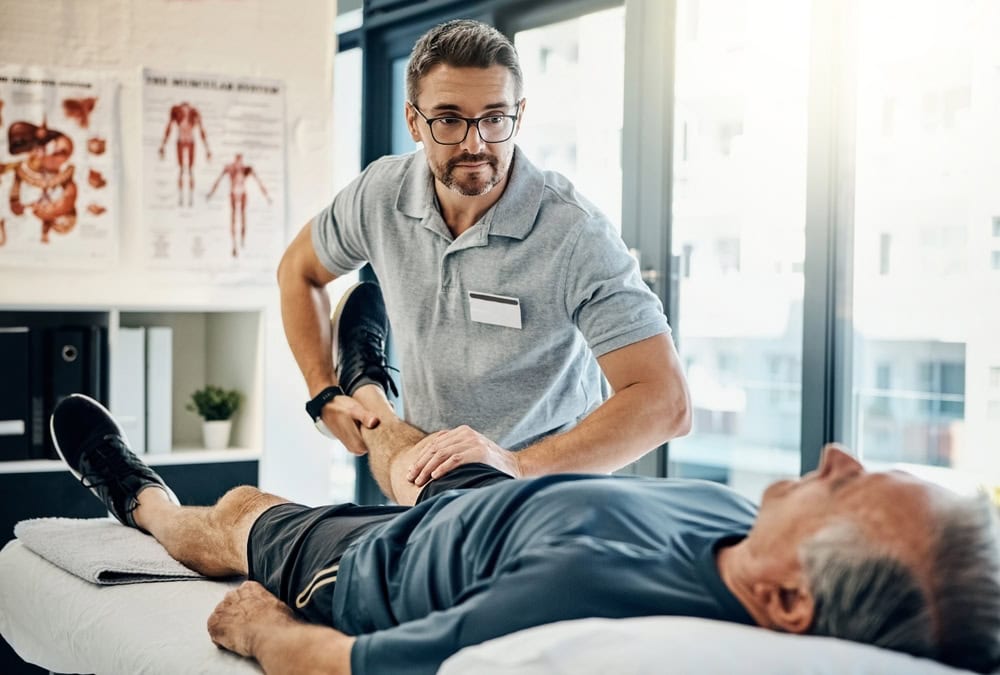
Pelvic tilts are a good starting point. Lying on your back with knees bent, you gently press the small of your back toward the floor and hold for a few seconds. It sounds almost too simple, but it begins to activate the deep abdominal muscles without loading the spine. From there, exercises like the dead bug, the bird dog, the glute bridge, and modified planks progressively build the core stability your spine depends on. The progression matters — starting too advanced can set you back, and staying too basic for too long limits your gains. A physical therapist can help you find the right pace.
Want live answers?
Connect with a NY Spine Medicine expert for fast, friendly support.
Getting Back to NYC Life — What Recovery Actually Looks Like Here
Back pain in New York City isn’t just a medical problem. It’s a logistical one. When you’re dealing with sciatica or a herniated disc, the commute becomes a test of endurance. Standing on the subway for forty-five minutes, navigating crowded platforms, carrying groceries up a walk-up staircase — these aren’t abstract inconveniences. They’re the daily texture of life across Manhattan, Brooklyn, Queens, the Bronx, and Staten Island, and they become genuinely difficult when your back is in serious pain.
That’s the urgency driving most of our patients. They’re not trying to run a marathon. They’re trying to get back to work, back to their routine, and back to functioning like a normal person in one of the most demanding cities in the world. The combination of an epidural injection and targeted core rehabilitation is the most direct path we know to that outcome.

How NYC Patients Can Use the Post-Injection Window Effectively
One of the most common things we hear from patients across Manhattan, Brooklyn, Queens, the Bronx, and Staten Island is some version of: “I just want my life back.” That’s not dramatic. When back pain is severe enough to disrupt sleep, limit mobility, and make a subway commute feel impossible, it genuinely takes over.
The post-injection window — those weeks when inflammation is reduced and pain is manageable — is the most important period in your recovery. It’s when your nervous system is calm enough to tolerate movement, when your muscles can actually respond to exercise without being overridden by pain signals, and when the work you put in will have the greatest long-term impact.
For patients who commute from outer boroughs or spend long hours at a desk in Midtown, this window is also the time to start rebuilding the specific tolerances your daily life demands. Sitting for extended periods places consistent compressive load on the lumbar spine. Building core endurance, not just core strength, is what allows you to tolerate that load without re-aggravating the underlying condition. That means exercises that train your stabilizers to stay active over time, not just through a single short contraction. Planks, slow bird dogs, and sustained bridges all build this kind of endurance.
The other piece that matters for NYC patients specifically is posture under fatigue. Standing on a crowded subway platform at the end of a long workday, your posture degrades, your core switches off, and your spine absorbs the slack. The goal of post-injection core rehabilitation isn’t just to feel better lying on the floor doing exercises — it’s to build enough baseline stability that your spine is protected even when you’re tired, distracted, and carrying a bag on one shoulder.
Why Having Injection and Physical Therapy in One Place Changes the Outcome
One of the most practical barriers to post-injection rehabilitation is coordination. You get the injection from one provider, and then you’re on your own to find a physical therapist, schedule an intake appointment, explain your history from scratch, and hope the two providers are working toward the same goal. In a city as busy as New York, that gap is where follow-through breaks down. People get busy, the pain has eased up, and the PT appointment gets pushed back — until the pain returns and the cycle starts over.
At NY Spine Medicine, we offer both interventional procedures like epidural steroid injections and physical therapy as part of an integrated approach. That means the same team that understands your imaging, your history, and your injection protocol is also guiding your rehabilitation. There’s no handoff gap. There’s no starting over. The transition from injection to structured exercise happens as a coordinated plan, not an afterthought.
Dr. Douglas Schottenstein is one of only approximately 200 physicians in the country to hold double board certification in both interventional pain management and neurology. That dual credential isn’t just a distinction on paper — it means that when he’s designing your treatment plan, he understands both the neurological dimension of your pain and the interventional tools available to treat it. His fellowship training at NewYork-Presbyterian Hospital and his recognition on the Top Doctors lists compiled by New York Magazine and Castle Connolly reflect the same standard.
Patients who’ve been dealing with chronic back pain for years — some traveling from across the region specifically to continue care here — consistently describe the same experience: thorough, honest, and focused on getting them better without defaulting to surgery. That’s the approach we take with every patient, whether they’re coming in from Midtown Manhattan, Bay Ridge, Flushing, Riverdale, or St. George.
Making Your Epidural Injection Results Last: The Bottom Line
An epidural steroid injection can be a genuinely significant turning point — but only if you treat it as the beginning of your recovery, not the end of it. The relief it provides is real. The window it creates is valuable. What you do inside that window determines whether you’re back to full function in a few weeks or back to square one in a few months.
Core rehabilitation isn’t complicated, and it doesn’t require a gym or a lot of time. It requires starting at the right moment, progressing at the right pace, and understanding why it matters — which, if you’ve read this far, you now do.
If you’re in New York City and you’re weighing your options for back pain, sciatica, or a spinal condition that hasn’t responded to conservative treatment, NY Spine Medicine is worth a conversation. Surgery is always a last resort here — and there’s a lot of ground between where you are now and that point.