
Summary:
Most people walk into a nerve and muscle test with one question on their mind, and it is rarely about the science. It is whether the test is going to hurt.
That is a fair thing to wonder about, and we will answer it directly. But the more useful question is what this test can tell you that nothing else can. An MRI shows structure. It can reveal a bulging disc, a narrowed canal, or an arthritic joint. What it cannot tell you is whether a specific nerve is actually being compressed hard enough to stop working properly, or whether the weakness in your hand is coming from your neck, your elbow, or your wrist.
Nerve and muscle testing answers that. Here is what to expect.
What Nerve And Muscle Testing Actually Measures (And Why It Matters)
Nerve and muscle testing is really two related studies performed in one visit. The nerve conduction study, often shortened to NCS, measures how quickly and how strongly an electrical signal travels along a nerve. The electromyography portion, or EMG, measures the electrical activity produced by your muscles themselves.
Together they answer three questions that change how your condition gets treated: is there nerve damage, where along the pathway is it happening, and how severe is it. A nerve that conducts slowly at one specific point suggests compression at that spot. A muscle that shows abnormal electrical activity at rest suggests the nerve feeding it has been affected for a while.
That level of detail matters because the treatment for a pinched nerve in your neck looks nothing like the treatment for carpal tunnel syndrome, even though both can make your hand feel numb.

What Happens During The Nerve Conduction Study Portion?
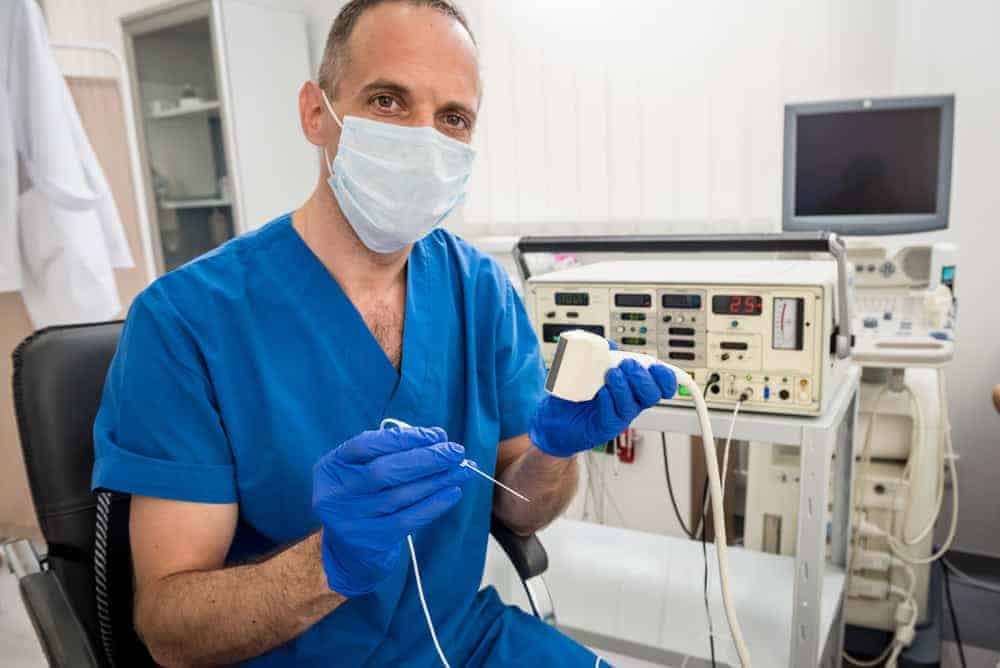
This part comes first, and it is the more predictable of the two. A technologist or physician places small surface electrodes on your skin, similar to the stickers used for an EKG, along the path of the nerve being tested. One set records, another delivers a brief electrical pulse.
The pulse itself is what people ask about. It feels like a quick static shock or a rubber band snap, and it lasts a fraction of a second. It is startling more than it is painful, and most patients tell us the anticipation was worse than the sensation. You may see your finger or toe twitch involuntarily, which is normal and simply means the signal reached the muscle.
Each nerve is stimulated at two or more points so the physician can calculate conduction velocity, the speed at which the signal travels between them. Slowing across a particular segment points to compression or damage at that segment. A weak response amplitude suggests fewer working nerve fibers are getting the message through.
One detail that surprises people is how much skin temperature matters. Cold limbs slow nerve conduction and can produce misleading results, so the room is kept warm and your arm or leg may be warmed before testing begins. If you arrive on a cold morning after walking several blocks, expect a few extra minutes of warming time.
Depending on how many nerves need to be evaluated, this portion typically takes fifteen to thirty minutes. Testing both sides is common, and it is not a sign that something is wrong. Comparing your symptomatic limb to your unaffected one gives the physician a personal baseline, which is far more meaningful than a population average.
You stay fully awake and can talk throughout. There is no sedation, no needle in this portion, and no recovery time afterward.
What Does The EMG Needle Portion Feel Like, And Does It Hurt?
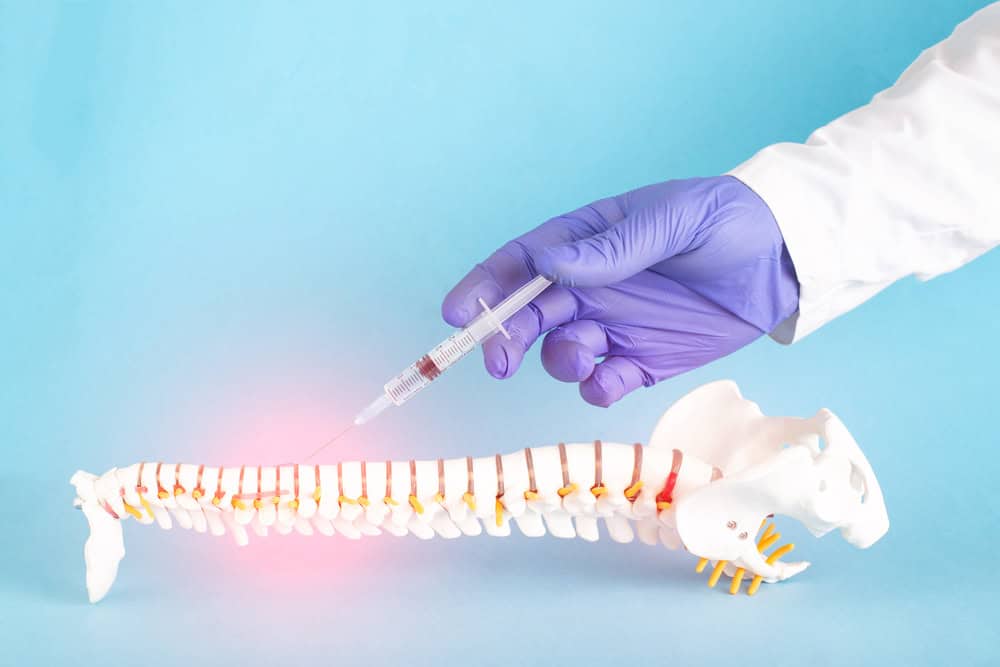
This is the part patients worry about, so here is the honest version. A very fine needle electrode, thinner than the needle used to draw blood and not hollow, is inserted into specific muscles. It does not inject anything. It only listens to the electrical signals the muscle produces.
You will feel a brief pinch as it goes in, followed by a dull ache or pressure while the physician takes readings. Most people describe it as uncomfortable rather than painful. The needle is repositioned slightly a few times within the same muscle to sample different areas, and you will be asked to relax completely and then to contract the muscle gently on command.
That contraction step is essential. A resting muscle should be electrically silent. If it is producing spontaneous activity at rest, that is a meaningful sign that the nerve supplying it has been compromised. When you contract, the physician evaluates the shape, size, and recruitment pattern of the electrical units firing, which helps distinguish a nerve problem from a primary muscle problem.
The number of muscles tested depends on your symptoms. A workup for suspected cervical radiculopathy might involve five or six muscles in the arm and shoulder plus a couple in the neck. Each muscle takes only a minute or two.
Afterward you may have mild soreness, similar to a light bruise, for a day or so. Bleeding is rare and bruising is minor when it happens. There are no activity restrictions, and you can drive yourself home and return to work the same day.
If you take blood thinners, have a pacemaker or implanted stimulator, or have a bleeding disorder, tell the office before your appointment. None of these automatically rule out testing, but they change how the study is planned.
Want live answers?
Connect with a NY Spine Medicine expert for fast, friendly support.
How To Prepare For Your Nerve And Muscle Testing Appointment
Preparation is simple, but a few details genuinely affect the quality of your results.
Skip lotions, oils, and creams on the day of the test. They interfere with electrode contact and can degrade the signal. Bathe or shower normally, then leave your skin clean and dry. Wear loose clothing that allows easy access to the limb being tested, or plan on changing into a gown.
Keep taking your regular medications unless the office tells you otherwise. If you take a blood thinner, call ahead so the physician can plan accordingly. Bring a list of your medications, any prior imaging reports, and the name of the physician who referred you.
Plan on about ninety minutes at the office in total, though the testing itself is usually shorter. Eat normally beforehand. There is no fasting requirement.

What Do Your Nerve And Muscle Testing Results Actually Mean For You?
Results are interpreted together, never in isolation. The physician is looking for a pattern that matches your symptoms, your physical exam, and your imaging.
A normal study is genuinely good news, and it is more common than people expect. It means the nerves being tested are conducting properly and the muscles they supply are healthy. That does not mean your pain is imaginary. It means the source is likely mechanical, inflammatory, or coming from a structure the test does not evaluate, such as a facet joint or a disc that is irritating tissue without compressing a nerve to the point of dysfunction.
An abnormal study is described in terms of location, type, and severity. Location tells you which nerve root or peripheral nerve is involved, which is what separates a nerve root problem in the neck from carpal tunnel syndrome at the wrist. Type distinguishes demyelination, where the insulating sheath is damaged and signals slow down, from axonal loss, where the nerve fibers themselves are affected. Severity and chronicity indicate whether this is recent or long standing.
That last piece matters more than most patients realize. Findings that suggest an acute process often respond well to conservative care and targeted injections. Findings that show chronic changes tell the physician the body has already been adapting, which shifts the conversation toward function and long term management.
Your physician should walk you through the report in plain language. If you leave without understanding which nerve is involved and what it means for your treatment plan, ask again.
Which Conditions Does Nerve And Muscle Testing Most Often Help Diagnose?
Nerve and muscle testing is ordered when symptoms suggest a nerve is not working correctly, and when knowing exactly which nerve would change the treatment plan.
Cervical and lumbar radiculopathy are among the most common reasons. When a disc herniation or bone spur compresses a nerve root in the neck or lower back, the resulting pain, numbness, or weakness follows a recognizable pattern. Testing confirms whether the root is actually affected and at which level, which directly guides whether a targeted epidural or selective nerve root injection makes sense and where it should be placed.
Carpal tunnel syndrome and ulnar neuropathy at the elbow are classic peripheral entrapments. Both can cause hand numbness that patients assume is coming from the neck. Testing settles that question quickly and prevents a treatment aimed at the wrong location.
Peripheral neuropathy, often related to diabetes but with many other causes, produces a symmetric pattern of slowing and reduced responses that testing can characterize and grade. That baseline is useful for tracking whether the condition is progressing over time.
Testing also helps evaluate nerve injury after trauma or a motor vehicle accident, muscle disorders where the muscle itself is the problem, and cases where symptoms and imaging simply do not line up. That last category is more common than you might think. An MRI showing a disc bulge does not prove the bulge is causing your symptoms, and testing helps establish whether the nerve is truly involved.
In workers compensation and auto injury cases, objective testing carries real weight. It documents nerve involvement in a way that subjective pain reports cannot, which matters for both your treatment authorization and your claim.
Getting Nerve And Muscle Testing Done In New York City: Next Steps
The short version is that nerve and muscle testing is uncomfortable for a few minutes and useful for far longer than that. It converts a vague set of symptoms into a specific, located, gradeable finding, and that is what makes a treatment plan targeted instead of speculative.
If you have been dealing with numbness, tingling, burning, or weakness that radiates into an arm or leg, and imaging alone has not explained it, this is usually the next logical step rather than a last resort.
At NY Spine Medicine, nerve and muscle testing is performed and interpreted in house by physicians who also manage the conditions it diagnoses. That matters practically. You are not waiting weeks for a report to travel between offices, and the person reading your study is the same person planning what comes next, whether that is a targeted injection, physical therapy, or continued monitoring.
To schedule an evaluation or ask a question about testing, call our office at 212-750-1155.