


Summary:
Most people who end up reading about radiofrequency ablation have already been through the usual sequence. Physical therapy helped a little. An injection helped for a while. Then the pain came back, and nobody has given you a plan that lasts longer than the next appointment.
That cycle is exhausting, and it is also the exact clinical situation ablation was designed for. If a numbing injection to specific nerves has already proven that those nerves are the source of your pain, ablation is the step that makes that relief last.
Below are seven benefits worth understanding before you agree to the procedure, along with the parts nobody advertises.
Benefit One: Relief Measured In Months, Not Weeks
The first and most obvious benefit is duration. A facet joint or medial branch steroid injection is a good diagnostic tool and a decent short term treatment, but the anti-inflammatory effect fades. Patients often describe a predictable pattern where the first three weeks are excellent, the next three are acceptable, and then the pain returns on schedule.
Radiofrequency ablation changes that arithmetic. Instead of reducing inflammation around a joint, it interrupts the tiny sensory nerves that report pain from that joint to your brain. Because the nerve itself has to regrow before the signal returns, relief is commonly measured in six to twelve months, and some patients go considerably longer. That is enough time to rebuild strength, return to work without watching the clock, and stop organizing your calendar around your next injection.
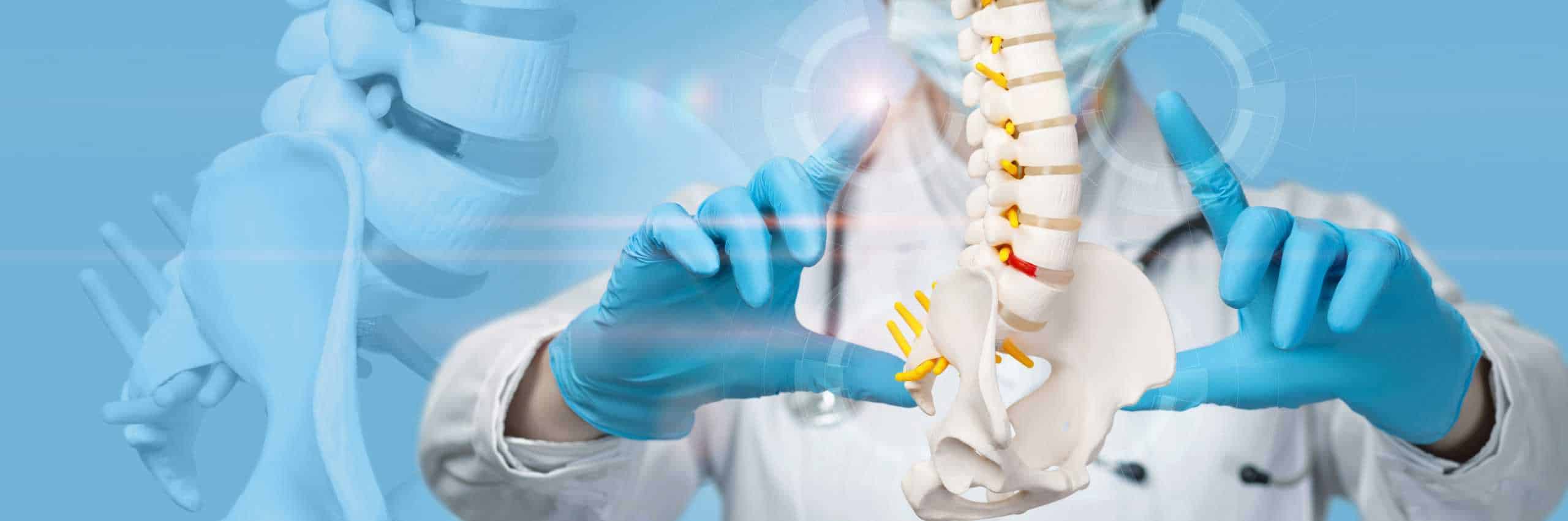
Benefits Two And Three: Precision First, Fewer Pills After
The second benefit is that ablation is never the first thing you do. Before any nerve is treated, your physician performs a medial branch block, which is a small injection of local anesthetic onto the specific nerves suspected of carrying your pain. If your pain drops substantially for the duration of the anesthetic, that is meaningful evidence the target is correct. If it does not, ablation is not offered.
Most practices, including ours, look for that response to repeat on a second diagnostic block before moving forward. It feels like an extra step when you are in pain and want something done. It is also the single best predictor of whether the procedure will work. Very few treatments in spine care give you a preview before you commit, and this one does. The procedure itself is performed under fluoroscopic guidance (live X-ray), so the electrode is positioned against the nerve under direct visualization rather than by feel.
The third benefit follows from the first two. When pain is controlled at the source for months at a time, many patients need far less oral medication. That can mean fewer anti-inflammatories, which matters if you have stomach, kidney, or blood pressure concerns, and for some patients it means stepping down from opioid medication they never wanted to be on. We are careful not to promise anyone they will stop medication entirely. What we can say is that a durable reduction in the pain signal usually changes what your medication has to accomplish, and that is a conversation worth having with your prescribing physician on a schedule rather than in a crisis.
Benefits Four And Five: A Short Recovery That Reopens Physical Therapy
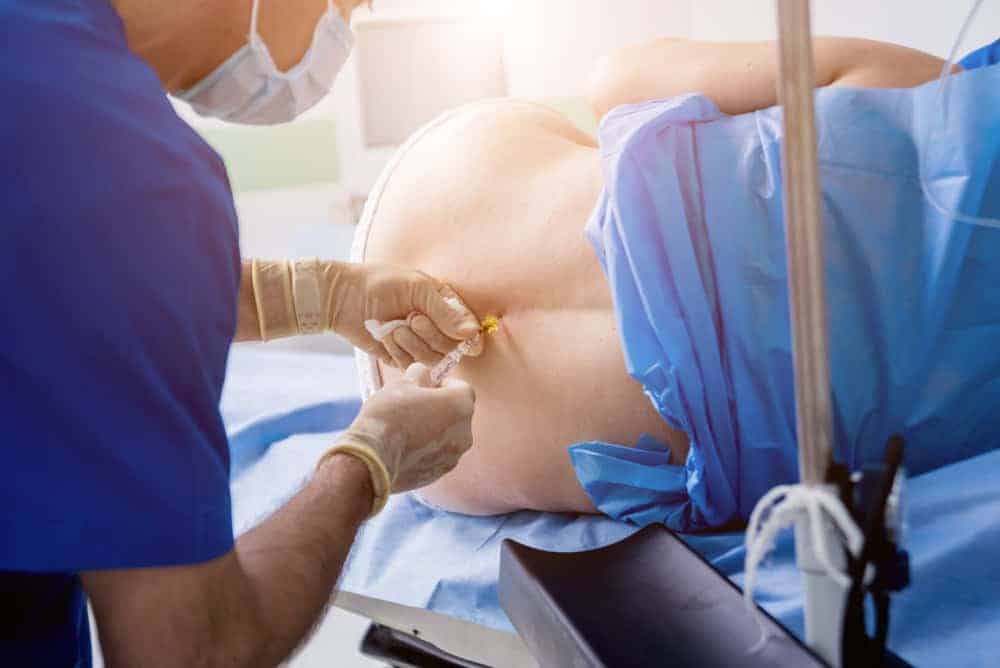
The fourth benefit is how little the procedure costs you in downtime. There is no incision, no general anesthesia in most cases, and no hardware left behind. You lie face down, the skin is numbed, and thin insulated needles are guided to the nerves. Most people are in the building for a couple of hours and home the same day. Soreness at the needle sites for a few days is normal, and many patients are back to desk work within a day or two.
Expect a delay before the benefit shows up. Radiofrequency ablation is not an on and off switch. The treated nerves take time to stop transmitting, and it is common to feel sore or even temporarily worse for roughly one to two weeks. Patients who are told this in advance handle it well. Patients who are not told often assume the procedure failed. Give it a few weeks before you judge the result.
The fifth benefit is the one that changes long term outcomes the most. Pain is what stops people from doing the strengthening work that protects the spine. When your pain drops for six months or more, you finally have a window in which physical therapy is tolerable and progressive. Core and hip strength, mobility through the thoracic spine, and better movement mechanics all reduce the load your facet joints carry. Patients who use that window tend to hold their gains far longer than patients who simply enjoy the quiet and go back to old habits. At NY Spine Medicine, physical therapy is in house, which is why we schedule it deliberately rather than leaving it to chance.
Want live answers?
Connect with a NY Spine Medicine expert for fast, friendly support.
Benefit Six: The Nerves Regenerate, So The Door Stays Open
People hear the word ablation and picture something permanent. It is not. The medial branch nerves that are treated are small sensory nerves, and they regenerate over time, usually within six to eighteen months. That is why pain eventually returns for most patients.
Framed correctly, that regeneration is a benefit rather than a flaw. It means nothing has been permanently destroyed, and it means the procedure can be repeated when the pain comes back, often with a similar response. These nerves carry sensation, not strength, so treating them does not weaken your leg or change how your spine moves. You are not spending a one time option. You are buying a long stretch of relief that you can renew if it serves you well.
Benefit Seven: Nothing Is Fused, Removed, Or Made Harder To Fix Later
The seventh benefit is structural, or more precisely, the absence of structural change. Radiofrequency ablation does not fuse anything, remove bone, or place hardware in your spine. Your anatomy after the procedure is the same as your anatomy before it. Every option you had going in, including surgery if it ever becomes appropriate, is still on the table. There is no implant to monitor and no restriction placed on future imaging.
That matters more than it sounds. Spine surgery is often excellent for the right problem, and it is irreversible by nature. Fusing a segment changes how the segments above and below it are loaded. So the sequence of care in a well run practice tends to move from least invasive to most invasive, and stops as soon as something works. Ablation sits high in that sequence for facet mediated pain because it can deliver months of relief without altering a single structure, and nothing about it makes a later procedure technically harder for your surgeon.
It also gives you information. If ablation of the facet nerves gives you real relief, that confirms which pain generator matters in your spine, which stays useful for years afterward. If it does not, that is worth knowing too, and it usually redirects the workup toward the disc, the sacroiliac joint, or a nerve root problem rather than sending you back for a procedure that would not have helped. Good pain management is a process of narrowing the field honestly. We would rather tell you a treatment did not work and change direction than repeat it and hope.
Who Actually Benefits, And Who Should Be Steered Somewhere Else
The best candidates have facet mediated pain, and that has a recognizable pattern. The pain sits in the low back or the neck rather than shooting down a limb. It is worse when you stand for a long time, arch backward, or twist, and better when you sit or lean forward on a cart. Mornings are stiff. Imaging often shows facet arthritis, though imaging alone never decides this, because plenty of people have arthritic facets on a scan and no pain at all. What we look for is a story and an exam that match, and then a diagnostic block that confirms it.
Ablation is a poor fit when the dominant problem is a herniated disc pressing on a nerve root, spinal stenosis with leg pain that limits how far you can walk, or sacroiliac joint pain. Those problems have their own targeted treatments. It is also a poor fit if the diagnostic blocks did not help, and any physician who offers to ablate anyway is skipping the step that makes the procedure worth doing. Some patients have more than one pain generator, and in that case we sequence treatment rather than treating everything at once.
Some situations call for evaluation before anything elective is scheduled. New or progressive weakness in an arm or leg, loss of bowel or bladder control, numbness in the groin or inner thighs, back pain with fever, or back pain that started with a fall or a car accident all need prompt assessment rather than a procedure appointment. Unexplained weight loss alongside night pain deserves the same urgency.
Practical considerations matter too. Active infection, uncontrolled bleeding problems, or blood thinners that cannot be safely paused will delay scheduling. If you have a cardiac pacemaker or another implanted device, tell the office in advance, because the energy used during ablation requires specific planning. Bring a current medication list, including supplements that affect bleeding. None of these are permanent disqualifications. They are logistics, and they are far easier to handle before the day of the procedure than on it.
Deciding Whether Radiofrequency Ablation Belongs In Your Plan
The honest summary is that radiofrequency ablation is not a cure and was never meant to be one. It is a well established way to turn down a specific, confirmed source of spinal pain for a long stretch of time, with a small procedure, a short recovery, and no permanent change to your spine. For the right patient, that combination is hard to match.
The part patients tend to underestimate is what they do with the relief. The months after a successful ablation are the best opportunity you will get to strengthen the muscles that support your spine, and the patients who use that window are the ones who need the procedure less often over time.
At NY Spine Medicine, our Manhattan and Brooklyn offices handle the diagnostic blocks, the ablation, and the physical therapy that follows, so the plan does not get handed off and lost between providers. If your back pain keeps returning after every injection, and you want a straight answer about whether ablation is a reasonable next step for you, call us at 212-750-1155 to arrange an evaluation.