

Summary:
Somebody at work swears acupuncture fixed their back. Your doctor never mentioned it. A search turns up equal amounts of enthusiasm and dismissal, and you are left trying to decide with no useful information at all.
The reasonable position is neither extreme. Several complementary therapies have real evidence behind them for certain kinds of pain. That evidence is more modest than the marketing suggests and more substantial than the dismissal implies.
Here is what these approaches appear to do, what is genuinely known about them, and how to fit them alongside conventional care without losing months in the process.
Where Alternative Therapies Fit In A Pain Plan
Start with a distinction that clears up most of the confusion. Some treatments are aimed at fixing a structure. Others are aimed at changing how much pain a structure produces. Both are legitimate, but they answer different questions, and most complementary therapies live in the second category.
That is not a small category. A large share of chronic pain is driven less by ongoing tissue damage than by a nervous system that has become sensitized, by muscles that have been guarding for months, and by the deconditioning and poor sleep that follow. Treatments that reduce sensitivity, restore movement, and calm the system can be genuinely useful for that.
What they cannot do is diagnose. If you have not had an evaluation, starting with a therapy instead of a diagnosis means you may spend three months on something that was never aimed at your actual problem. Get the picture first, then decide what to add to it.

What Does Acupuncture Actually Do To The Body?
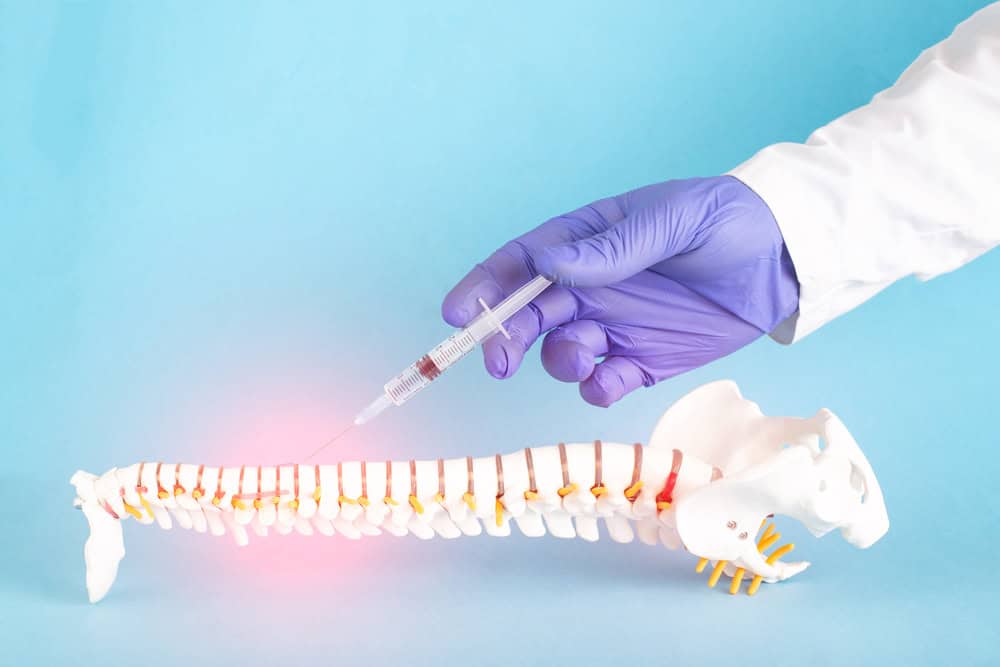
Acupuncture involves inserting very thin needles at specific points on the body, usually leaving them in place for a period of time, sometimes with gentle manual or electrical stimulation. It comes from traditional Chinese medicine, where it is explained in terms of energy flowing along channels.
Modern research has focused on what is physically measurable rather than on that traditional framework, and several plausible mechanisms have emerged. Needling appears to stimulate nerve fibers in skin and muscle, which changes signaling in the spinal cord and the brain. It has been associated with release of the body’s own pain modulating chemicals. There are local effects as well, including changes in blood flow and relaxation of tight bands of muscle.
It is also worth being honest about expectation effects. Studies comparing real acupuncture with sham needling often find that both groups improve, with the real treatment somewhat ahead. That has been used to argue acupuncture is nothing but placebo. A more careful reading is that some of the benefit is nonspecific and some of it is not, and that sham needling is not an inert control anyway, because it still stimulates the skin.
For the person in pain, the practical question is narrower: does it help enough to justify the time and cost, and is it safe. On safety, acupuncture performed by a licensed practitioner using single use sterile needles has a good record. Serious complications are rare. Mild soreness or small bruises at needle sites are common and short lived.
What it will not do is repair a herniated disc, open a narrowed spinal canal, or heal a fracture. If your pain is coming from something structural that needs attention, acupuncture is not the tool for that part of the problem.
What The Evidence Says About Acupuncture For Back And Neck Pain
This is where honesty matters more than enthusiasm, so here is the shape of the evidence without pretending it is tidier than it is.
Chronic low back pain is the area with the most supportive research. Multiple reviews have found that acupuncture produces modest improvements in pain and function compared with no treatment, and that it compares reasonably with other conservative options. Several clinical guidelines now include it among the non drug approaches worth considering for persistent low back pain.
Chronic neck pain shows a broadly similar pattern, with modest benefit that is clearest in the shorter term. Tension type headache and migraine prevention also have supportive evidence, and acupuncture appears in some headache guidance as an option for people who would rather avoid daily medication.
Knee osteoarthritis has been studied extensively with mixed results. Some trials show benefit, others show little difference from sham treatment, and the overall picture remains genuinely debated.
For acute low back pain the evidence is weaker, largely because most acute episodes improve on their own within weeks regardless of what is done for them.
Two honest caveats. The benefits reported in trials are generally modest rather than dramatic, and they tend to fade over time without continued treatment. And acupuncture research is difficult to design well, because a convincing placebo needle is hard to build and blinding the practitioner is impossible.
The reasonable conclusion is that acupuncture is a legitimate option to consider for certain persistent pain conditions, most solidly chronic low back pain, with modest expected benefit and a good safety profile. That is a very different statement from either it cures pain or it does nothing.
Want live answers?
Connect with a NY Spine Medicine expert for fast, friendly support.
Massage, Manual Therapy, And Hands On Treatment
Massage has reasonable short term evidence for chronic low back and neck pain. It appears to reduce muscle tension, improve local blood flow, and lower stress, which matters because stress and guarding feed pain.
The limitation is duration. Benefits tend to be short lived, which makes massage most useful as support alongside active treatment rather than as the plan itself.
Chiropractic and osteopathic manipulation occupy similar ground. Spinal manipulation has modest evidence for acute and chronic low back pain, roughly comparable to other conservative approaches. It is generally safe when performed appropriately, though manipulation of the neck carries rare but serious risks worth discussing first. It is not appropriate for everyone, including people with significant osteoporosis, certain fractures, or progressive neurologic findings.

Yoga, Tai Chi, And Mind Body Approaches To Chronic Pain
This group often gets filed under alternative, but it sits closer to mainstream than people assume. Several of these approaches appear in clinical guidance for chronic low back pain.
Yoga has decent evidence for chronic low back pain, with improvements in both pain and function. What is less clear is whether the benefit comes from anything specific to yoga or simply from consistent, gentle, progressive movement combined with attention to breathing. That distinction may not matter much to you. If it is the version of movement you will actually do twice a week, that is the relevant fact.
The caveat is that not all yoga is equal for a painful back. Classes emphasizing deep forward folds and aggressive twisting can aggravate certain problems. Tell the instructor what is going on and be willing to modify. Programs designed specifically for back pain tend to be safer starting points than a general class.
Tai chi has evidence across several chronic pain conditions, and it carries a bonus that matters more with age: it improves balance, which reduces fall risk. Falls cause fractures, and vertebral compression fractures are a genuinely painful thing to acquire.
Mindfulness based approaches and cognitive behavioral strategies have some of the strongest evidence of anything in this section, particularly for pain that has been present a long time. They do not treat the pain as imaginary. They target the parts of the experience that amplify it: the constant vigilance, the worst case thinking, and the avoidance of activity that leads to deconditioning.
That is worth saying plainly, because being offered a psychological approach can feel like being told the pain is in your head. It is not what is meant. Persistent pain changes how the nervous system processes signals, and these approaches work on that processing directly.
How To Combine Alternative And Conventional Care Without Guessing
The practical question is how to use any of this without drifting for a year. A few principles make it manageable.
Get diagnosed first. This is the one that genuinely matters. A therapy chosen before anyone knows what is generating the pain is a guess, and it can delay treatment for something that would respond well to a targeted approach. It also means you cannot interpret the result, because you never knew what you were treating.
Change one thing at a time. Starting acupuncture, a new supplement, physical therapy, and an exercise class in the same week guarantees you will learn nothing about which of them did anything. Give a single addition a few weeks before layering on another.
Set a trial period and a review point in advance. Something like six to eight sessions, followed by an honest assessment of whether pain, function, sleep, or medication use has changed. If nothing has moved at all, that is useful information rather than a reason to keep going on hope.
Tell your physician what you are doing. Not for permission, but because it changes interpretation. If you improve after an injection while also starting acupuncture, nobody can say which one helped, and that matters for the next decision. Herbal products and supplements are especially important to disclose, since some of them interact with medications, including blood thinners.
Watch for a few specific warning signs. Practitioners who tell you to stop conventional treatment, who discourage you from seeing a physician, who promise cures, or who require large payments up front for long packages are not operating the way careful providers do.
And stay alert for the symptoms that override all of this. Progressive weakness, loss of bowel or bladder control, fever alongside back pain, unexplained weight loss, or severe pain after trauma are reasons to be evaluated promptly rather than to book another session of anything.
Building A Plan That Uses Both Kinds Of Treatment
The takeaway is that alternative therapies are neither magic nor nonsense. Several of them, acupuncture most notably, have modest but real evidence for specific kinds of persistent pain along with a good safety record. What none of them can do is tell you what is wrong.
Reframed usefully: think of them as tools for changing how much pain a problem produces, rather than tools for fixing the problem itself. That framing tells you when they are worth adding, which is often, and when they are the wrong thing to reach for, which is when something structural needs attention.
At NY Spine Medicine, we start with a clear diagnosis, because that is what makes any of these decisions possible. We provide interventional pain management and physical therapy under one roof, and we will be straightforward about which complementary approaches have reasonable evidence for your particular problem and which do not.
If you are weighing your options and want an honest read on what fits your situation, call us at 212-750-1155.