

Summary:
If you’ve been living with chronic pain in New York, you already know how exhausting the search for answers can be. You’ve probably seen a doctor — maybe several — and walked away with a prescription, a referral, or the unsettling suggestion that surgery might be your best bet. But here’s what most patients don’t realize: the field of pain management has changed dramatically, and surgery is rarely the only path forward. There’s a wide range of minimally invasive, non-opioid treatments available today that are helping people get their lives back — without the risks, the recovery time, or the uncertainty that comes with going under the knife.
What Does a Pain Management Doctor Actually Do?
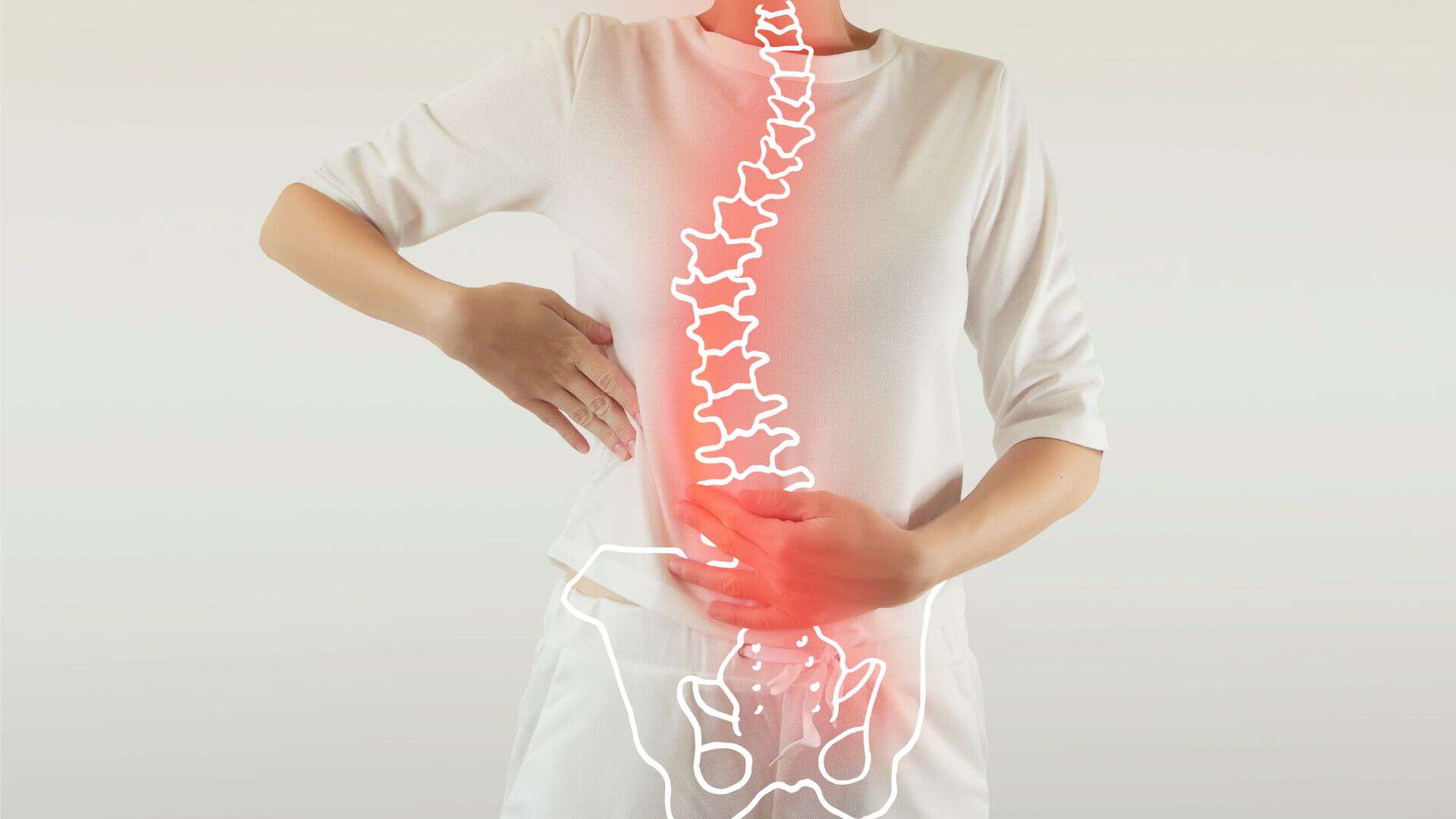
A pain management doctor specializes in diagnosing and treating chronic pain conditions — back pain, neck pain, sciatica, nerve pain, joint pain, and more. But the role goes beyond writing prescriptions. We work to identify the actual source of your pain and build a treatment plan around it, using everything from physical therapy and lifestyle strategies to advanced interventional procedures.
What separates a skilled pain management specialist from a general practitioner is the depth of the diagnostic approach. Chronic pain often has a neurological component — meaning the problem isn’t just structural, it’s also tied to how your nervous system is processing and transmitting pain signals. That distinction matters enormously when it comes to choosing the right treatment.

Why Most Chronic Pain Patients Don't Get the Full Picture
Here’s something that doesn’t get said enough: a lot of chronic pain patients have seen multiple doctors and still don’t have a clear answer. They’ve had X-rays, maybe an MRI, possibly a round of physical therapy — and they’re still in pain. The frustrating part is that this isn’t always a failure of effort. It’s often a failure of scope.
Most pain management doctors are trained in pain management alone. That’s a solid foundation, but it leaves a gap. If your pain has a neurological root cause — a nerve being compressed, an abnormality in how pain signals are firing, a condition that sits at the intersection of neurology and spine health — a doctor without neurology training may treat the symptom without ever identifying what’s actually driving it.
This is why dual expertise matters in a way that most patients never think to ask about. A physician who is board certified in both neurology and interventional pain management can evaluate your condition from both angles simultaneously. They can identify neurological contributors that a standard pain management workup would miss, and then address them with precision interventional techniques rather than defaulting to surgery or long-term medication.
In New York City, where people are often juggling multiple specialists across different hospital systems, the referral maze is a real problem. Patients spend months bouncing between a neurologist, a spine surgeon, a physiatrist, and a pain clinic — each one seeing only part of the picture. We’ve seen firsthand how this fragmentation delays diagnosis and treatment. A practice where one double-certified physician oversees your entire diagnostic and treatment pathway isn’t just more convenient. It often leads to faster, more accurate answers.
The bottom line is that if you’ve tried physical therapy, tried medications, and still aren’t getting relief, the problem may not be that nothing can help you. It may be that no one has looked at your condition with the right combination of expertise.
Non-Surgical Pain Treatments That Are Actually Changing Outcomes
The range of non-surgical options available today is far broader than most patients realize, and the results can be genuinely dramatic. This isn’t about managing pain indefinitely — it’s about addressing the source and restoring function.
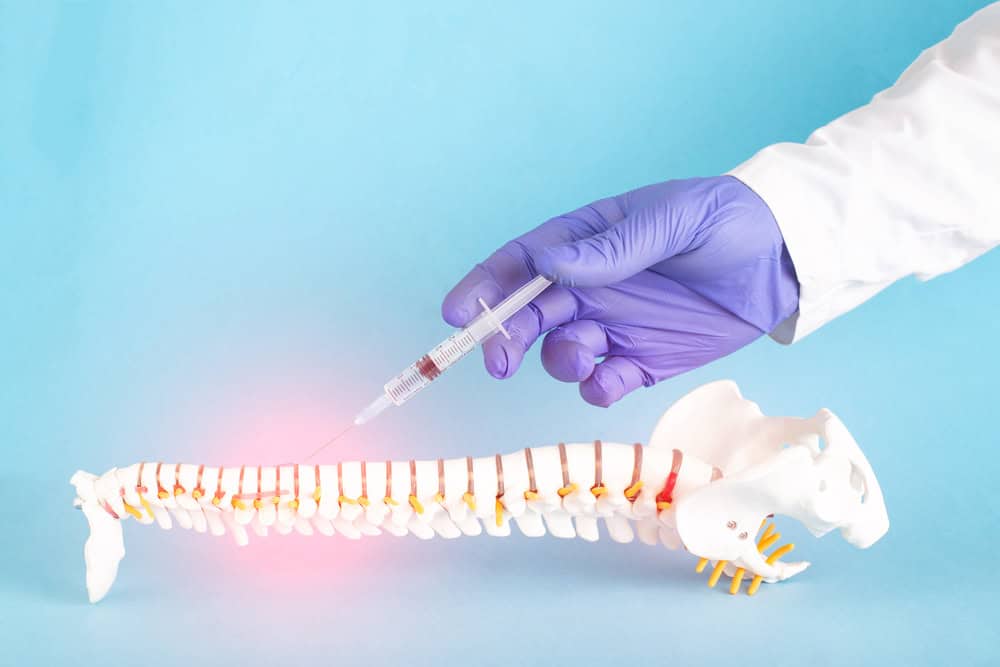
Epidural steroid injections and transforaminal nerve blocks are among the most well-established interventional approaches for spine-related pain. We deliver anti-inflammatory medication directly to the area around a compressed or irritated nerve, reducing swelling and interrupting the pain cycle. For many patients with herniated discs or sciatica, a short series of injections provides significant relief that lasts months — sometimes longer.
Radiofrequency lesioning takes a different approach. It uses carefully directed heat energy to disrupt the specific nerve pathways that are transmitting pain signals, essentially interrupting the circuit. It’s particularly effective for facet joint pain and certain types of chronic back and neck pain, and the relief it provides tends to be longer-lasting than injection-based treatments.
For patients with severe, refractory pain that hasn’t responded to other treatments, spinal cord stimulation is one of the most significant advances in modern pain medicine. A small device is implanted near the spinal cord and delivers mild electrical pulses that modify how pain signals reach the brain. Many patients describe it as turning down the volume on their pain. Clinical outcomes for conditions like complex regional pain syndrome, failed back surgery syndrome, and chronic neuropathic pain have been well-documented.
There are also more targeted procedures — facet joint injections, sacroiliac joint injections, sympathetic nerve blocks, and newer techniques like nucleoplasty and annuloplasty for disc-related pain — that address very specific anatomical sources of pain with minimal recovery time. Most of these procedures are quick to perform and patients typically resume normal activity within a day or two, which matters enormously in New York, where taking weeks off work simply isn’t an option for most people.
Physical therapy remains a critical part of the picture, particularly when combined with interventional treatment. The two approaches work well together: procedures reduce pain enough for patients to engage meaningfully in physical therapy, and physical therapy builds the strength and mobility that helps sustain those results long-term.
Want live answers?
Connect with a NY Spine Medicine expert for fast, friendly support.
Non-Opioid Pain Management: What Replaced the Prescription Pad
Since 2016, opioid prescribing for chronic pain has dropped sharply following updated CDC guidelines and a national reckoning with the consequences of long-term opioid use. For patients who were previously managed on pain medications, that shift left a real gap. And for the millions of people who never wanted opioids in the first place — who were wary of dependency, side effects, or simply felt that pills weren’t solving anything — it raised a legitimate question: if that’s not the answer, what is?
The answer, increasingly, is interventional pain management. Targeted procedures that address the physical source of pain, combined with physical therapy and lifestyle support, have become the standard of care for chronic pain that doesn’t respond to conservative treatment. The goal isn’t to mask pain — it’s to reduce or eliminate it at the source.
How Do Interventional Pain Procedures Work Without Surgery?
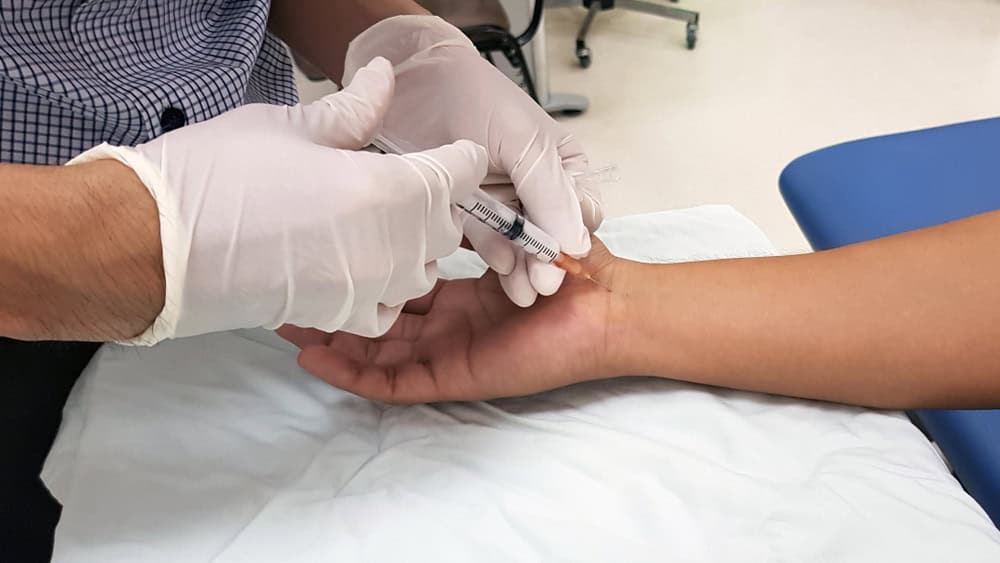
The term “interventional” can sound intimidating, but these procedures are a long way from surgery. They’re minimally invasive, typically performed in an outpatient setting, and most patients go home the same day. The key distinction from surgery is that we work with your existing anatomy — targeting nerves, joints, or specific tissue — rather than cutting, fusing, or removing anything.
Take a nerve block, for example. Using imaging guidance to ensure precision, we inject a local anesthetic and sometimes a steroid directly around a specific nerve or group of nerves. The result is immediate pain relief in the area that nerve serves. Depending on the type of block and the condition being treated, the relief can last weeks, months, or in some cases much longer.
Radiofrequency ablation works on a similar principle of precision. Rather than blocking a nerve temporarily, it uses heat to interrupt the nerve’s ability to transmit pain signals over a longer period. It’s an outpatient procedure, typically takes under an hour, and patients often report meaningful improvement within a few weeks as the nerve tissue responds.
Spinal cord stimulation involves a slightly more involved process — a small device is placed near the spinal cord through a minimally invasive procedure — but it’s still far removed from traditional spine surgery. There’s typically a trial period first, where a temporary device is used to confirm the approach is working before anything permanent is placed. This is one of the things that makes it such a thoughtful option: you get to experience the result before committing to it.
What makes all of these procedures viable for New York patients specifically is the recovery profile. Most people are back to their normal routine within a day or two. For someone who commutes into Midtown, has a demanding job, and can’t afford to be sidelined for six weeks, that’s not a minor detail — it’s often the deciding factor.
Frequently Asked Questions About Pain Management in New York
**I’ve already tried physical therapy and it didn’t help — why would anything else be different?**
It’s a fair question, and the honest answer is that physical therapy and interventional pain management are not the same thing. Physical therapy works on strength, mobility, and movement patterns — it’s valuable, but it can’t reduce nerve compression, calm an inflamed facet joint, or interrupt a misfiring pain signal. Many patients who saw limited results from physical therapy have experienced significant relief after interventional treatment, sometimes after just one or two procedures. In some cases, the two work best in sequence: a procedure reduces pain enough for physical therapy to actually be effective, and then therapy helps maintain the results.
**How do I know these procedures are safe near my spine?**
It’s a reasonable concern. The spine and nervous system are not areas where anyone should accept vague reassurances. What matters is the physician’s training, their imaging guidance during the procedure, and their experience performing these interventions at high volume. Fellowship training at a nationally recognized program, board certification in interventional pain management, and a track record of patient outcomes are the benchmarks worth asking about.
**What’s the difference between seeing a pain specialist at a large hospital system versus a private practice in New York?**
Hospital systems like Mount Sinai or NYP offer multidisciplinary teams and institutional resources, which can be valuable for complex cases. But for many patients, a private practice led by a single highly credentialed physician offers something different: continuity. You see the same doctor at every visit. We know your history, we’re tracking your progress, and your treatment plan isn’t being handed off between departments. In a city where fragmented care is the norm, that consistency can make a real difference in outcomes.
**How do I even start?**
If you have an existing MRI or imaging study, a good first step is having it reviewed by a pain management specialist — not a general practitioner — who can evaluate it through the lens of both structural and neurological factors. At NY Spine Medicine, we offer a complimentary MRI review by our physician for prospective patients. It’s a no-commitment way to get an expert read on what your imaging actually shows and whether there are treatment options you haven’t been told about yet.
Finding the Right Pain Management Specialist in New York City
Chronic pain is one of the most common — and most undertreated — conditions in the country. In New York, where the pace of life doesn’t slow down for anyone, it can feel impossible to find the time, the right doctor, or even the right questions to ask. But the treatments available today are genuinely different from what existed even a decade ago, and the idea that surgery or long-term medication are your only real options simply isn’t accurate anymore.
What matters most when choosing a pain management doctor is the depth of their expertise, their commitment to non-surgical approaches, and their ability to see your condition completely — not just the part that falls within one specialty. If you’ve been living with pain that hasn’t responded to what you’ve tried so far, it may be worth getting a second opinion from someone who can evaluate it differently.
NY Spine Medicine is located in Midtown Manhattan, and we work with patients from across the five boroughs and the broader tri-state area. If you have imaging you’d like reviewed, or you’re simply ready to understand what your options actually are, we’re here to help you figure that out.