

Summary:
If you’ve tried rest, over-the-counter medications, maybe even physical therapy, and your back still won’t cooperate, you’re probably starting to wonder what comes next. A lot of patients at that stage start hearing about spinal injections and immediately feel two things: hope and nerves. Hope, because it sounds like it might work. Nerves, because the idea of a needle near your spine is, understandably, not something most people jump at.
This guide is meant to give you honest, clear answers to the questions you’re probably already asking. No pressure, no overselling, just the information you need to make a smart decision.
What Are Spinal Injections And How Do They Work?
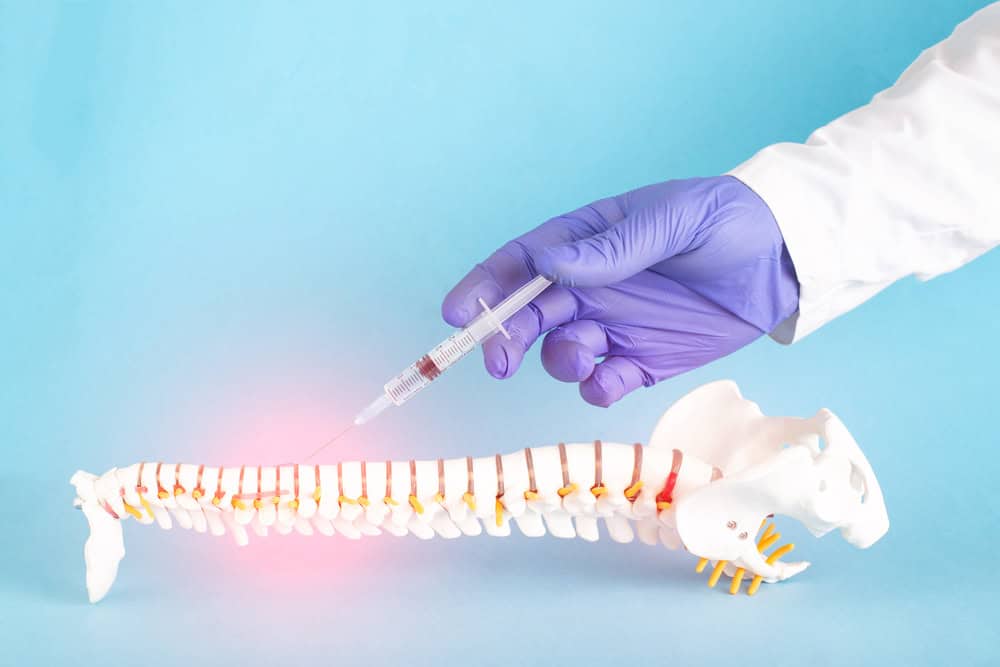
A spinal injection delivers medication (most often a corticosteroid, sometimes combined with a local anesthetic) directly to the area around the source of your pain. The goal is to reduce inflammation at the root of the problem, which can calm nerve irritation and provide meaningful relief that oral medications often can’t reach as effectively.
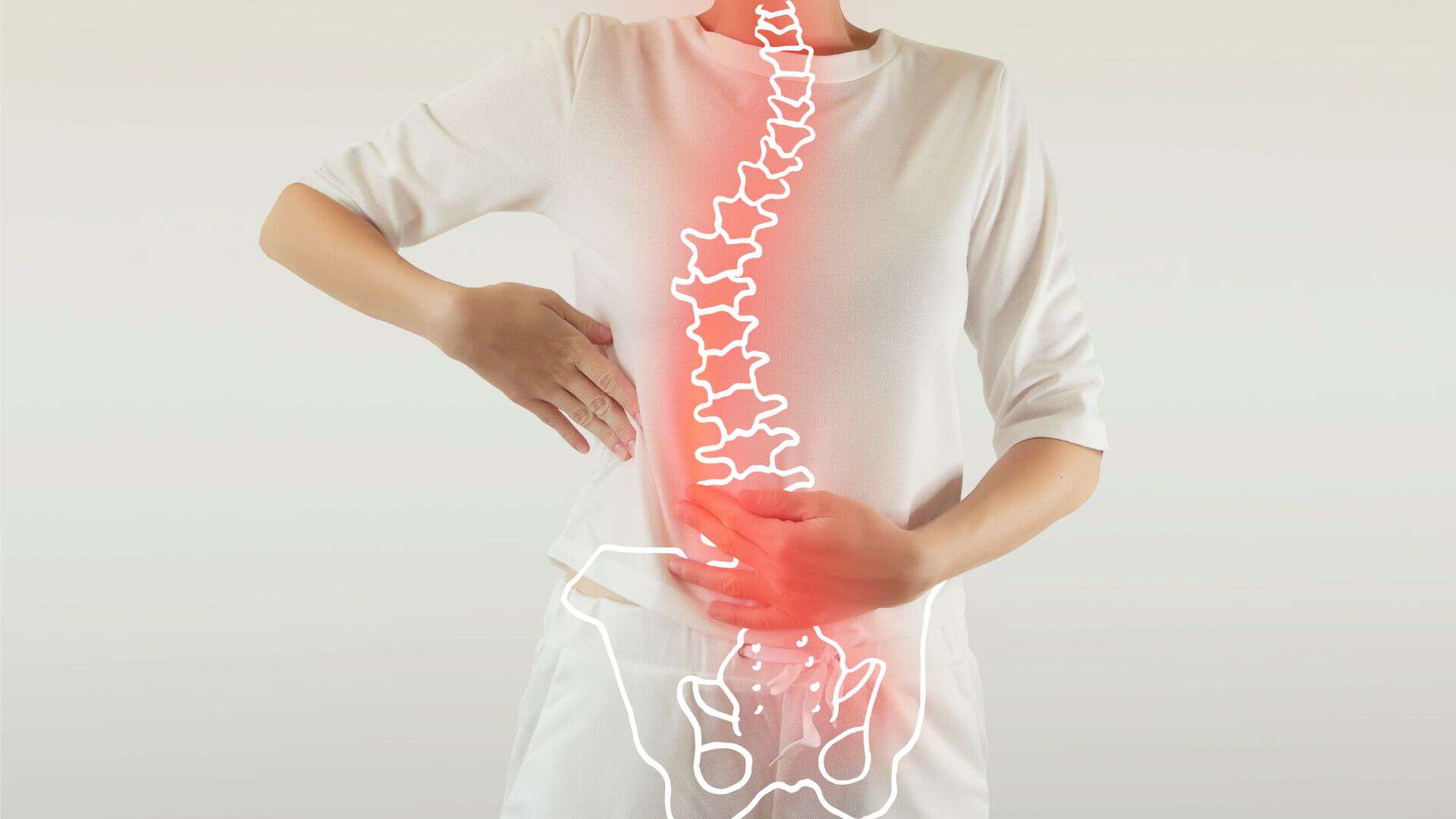
The most common type is an epidural steroid injection, or ESI. Depending on where your pain originates, this can be administered in the cervical (neck), thoracic (mid-back), or lumbar (lower back) region of the spine. There are also facet joint injections, nerve block injections, and sacroiliac joint injections, with each targeting a different structure depending on your specific diagnosis.
What separates a well-performed spinal injection from a poorly performed one often comes down to precision. We use image-guided techniques at NY Spine Medicine, meaning our physicians use real-time imaging to place the needle accurately so the medication reaches exactly where it needs to go.

Which Conditions Can Spinal Injections Help Treat?
Spinal injections aren’t a one-size-fits-all fix, and they’re not appropriate for every type of back pain. But for the right conditions, they can be remarkably effective. Research has found that 50 to 80 percent of patients experience significant pain relief following a lumbar epidural steroid injection, and a systematic review of 70 studies found good evidence of efficacy for lumbar disc herniations and fair evidence for spinal stenosis.
The conditions that tend to respond best include herniated or bulging discs, where disc material presses against a nerve root and causes radiating pain down the leg (sciatica) or arm. Spinal stenosis (a narrowing of the spinal canal that’s particularly common after age 50) is another condition where epidural injections can provide meaningful relief. Facet joint syndrome, degenerative disc disease, and radiculopathy (nerve root inflammation) are also commonly treated this way.
One thing worth understanding is the relationship between injections and physical therapy. A spinal injection isn’t just about temporary relief. It can create a window of reduced pain during which physical therapy becomes significantly more productive. When inflammation is calmed and pain is manageable, patients can engage in the rehabilitation exercises that produce more lasting improvement. The injection and the physical therapy work together, as one makes the other more effective.
What injections are generally not designed for is structural instability, fractures, or conditions that require surgical intervention. That’s why a thorough evaluation, including a review of your imaging, matters so much before any procedure. Rushing to inject without a clear diagnosis is a red flag, not a sign of efficiency.
Does A Spinal Injection Hurt? What Should You Expect During The Procedure?
This is the question most patients are thinking about but don’t always feel comfortable asking out loud. So let’s be direct: the procedure involves some discomfort, but it’s not the ordeal most people imagine before they’ve had one.
The area is numbed with a local anesthetic before the injection, which significantly reduces what you feel. Most patients describe the sensation as pressure rather than sharp pain. The procedure itself typically takes less than 30 minutes, and you go home the same day. Most people return to light activity within 24 to 48 hours.
The fear that tends to loom largest (the fear of paralysis or nerve damage) is real but statistically very rare when the procedure is performed by a trained physician using imaging guidance. The needle is placed in the epidural space, which surrounds the spinal cord. It does not enter the spinal cord itself. That distinction matters, and it’s why image-guided technique is important. A physician who performs these injections without fluoroscopy or imaging is working without the precision that makes the procedure safe and effective.
One more thing worth saying plainly: if you’ve had an injection before that didn’t provide much relief, that doesn’t mean injections aren’t right for you. The type of injection, the approach used, and the specific anatomy involved all affect outcomes. A different approach or a more targeted injection type may work when a previous one didn’t. That’s why working with a physician who takes the time to evaluate your imaging and understand your specific condition, rather than applying a standard protocol to every patient, makes a real difference.
Want live answers?
Connect with a NY Spine Medicine expert for fast, friendly support.
Finding The Right Spinal Injection Doctor In New York City
There is no shortage of pain management providers across Manhattan, Brooklyn, Queens, the Bronx, and Staten Island. That’s both good news and a complication, because the quality of care varies more than most patients realize, and choosing the wrong provider can mean a poorly targeted injection, inadequate follow-up, or a recommendation that doesn’t match your diagnosis.
The most important things to look for are board certification in pain medicine, fellowship training in interventional pain management, and confirmed use of imaging guidance during procedures. Beyond credentials, pay attention to if the practice takes the time to evaluate your specific case, or if they seem to be moving patients through quickly with a standard protocol.

What Makes Spinal Injections In NYC Different From Anywhere Else?
Living in New York City puts a specific kind of physical demand on your body, one that most pain management guides written for a general audience don’t account for. The average New Yorker walks five to seven miles a day. The subway involves stairs at nearly every station, sudden stops, and long periods of standing in crowded cars. For someone with a herniated disc or lumbar stenosis, a daily commute from Bay Ridge to Midtown, or from Flushing to Downtown Brooklyn, isn’t just inconvenient. It can be genuinely debilitating.
Add to that the reality of NYC’s professional culture. Many Manhattan office workers spend eight to twelve hours a day seated at a desk, which is one of the most consistent risk factors for lumbar disc degeneration. And since 2020, a significant portion of the workforce has been doing that from home, often at kitchen tables or on couches, without proper ergonomic support. The result has been a sustained wave of back pain complaints across all five boroughs.
For outer-borough residents in the Bronx, Queens, and Staten Island, access to specialist pain management has historically been limited. Our Midtown Manhattan practice at 18 E 48th St is accessible via multiple subway lines, including the 4, 5, and 6 at Grand Central, and the N, Q, R, and W at 49th Street. This means patients from all five boroughs can get here without needing a car. That matters when you’re already in pain and navigating a city.
NYC winters add another layer. Cold weather constricts muscles and reduces circulation, which can trigger or worsen back pain flare-ups. Icy sidewalks are a source of acute spinal injury, as slip-and-fall accidents spike every winter across the boroughs, and many of those patients end up needing specialist care for the first time.
How Do You Know If You're A Good Candidate For A Spinal Injection?
The honest answer is that you need a proper evaluation to know for certain, but there are some general indicators that suggest a spinal injection might be worth discussing with a specialist.
You’re likely a reasonable candidate if you’ve been dealing with back or neck pain for several weeks or more, you’ve already tried conservative options like anti-inflammatory medications and physical therapy without adequate relief, and you have a diagnosis, ideally supported by imaging, that points to a specific source of inflammation. Herniated discs, spinal stenosis, sciatica, facet syndrome, and radiculopathy are among the conditions where injections have the strongest clinical evidence behind them.
You may not be an immediate candidate if your pain is primarily structural (a fracture, for example), if you have an active infection, or if your condition has progressed to the point where surgery is genuinely the most appropriate next step. A good physician will tell you that honestly, and that kind of transparency is worth looking for when you’re choosing a provider in a city with as many options as New York.
One entry point worth knowing about: we offer a Free MRI Review for patients who already have imaging from another provider. If you’ve had an MRI but aren’t sure what it means for your treatment options, this is a no-cost way to get an expert second opinion before committing to anything. It’s particularly useful for patients who’ve been told surgery is their only option and want to understand if non-surgical alternatives, including spinal injections, are on the table.
Insurance coverage is a common concern, and it’s a fair one. Most spinal injections are covered by insurance when medically necessary, including Medicare and most commercial plans. If coverage is a question for you, it’s worth calling our office directly to clarify before your first appointment, and our team can help you work through that.
Ready To Explore Non-Surgical Back Pain Treatment In NYC?
If there’s one thing to take away from this guide, it’s that spinal injections are not a last resort, nor are they something to be afraid of. For the right patient with the right diagnosis, they can provide meaningful relief, make physical therapy more effective, and help you avoid a surgical conversation you weren’t ready to have.
The key is working with a physician who takes the time to understand your specific situation, uses imaging guidance to perform the procedure with precision, and is honest with you about what to realistically expect.
At NY Spine Medicine, we’ve been treating spinal pain in New York City since 2008. Our practice is built around one core belief: surgery should be a last resort, not a first recommendation. If you’re ready to have a real conversation about your options, we’re here, Monday through Saturday, 7AM to 7PM, in Midtown Manhattan and accessible to patients from all five boroughs.