

Summary:
A lot of people arrive at our door having already tried physical therapy. Some have had an injection. A few have done both — just not at the same time, not in a coordinated way, and not with a clear plan connecting the two. They’re still in pain, and they’re starting to wonder if surgery is the only option left.
It usually isn’t. But getting to a better outcome requires understanding why the piecemeal approach so often falls short — and what a genuinely integrated treatment plan actually looks like. That’s what this post is about.
Why Treating Spine Pain with One Approach at a Time Often Falls Short
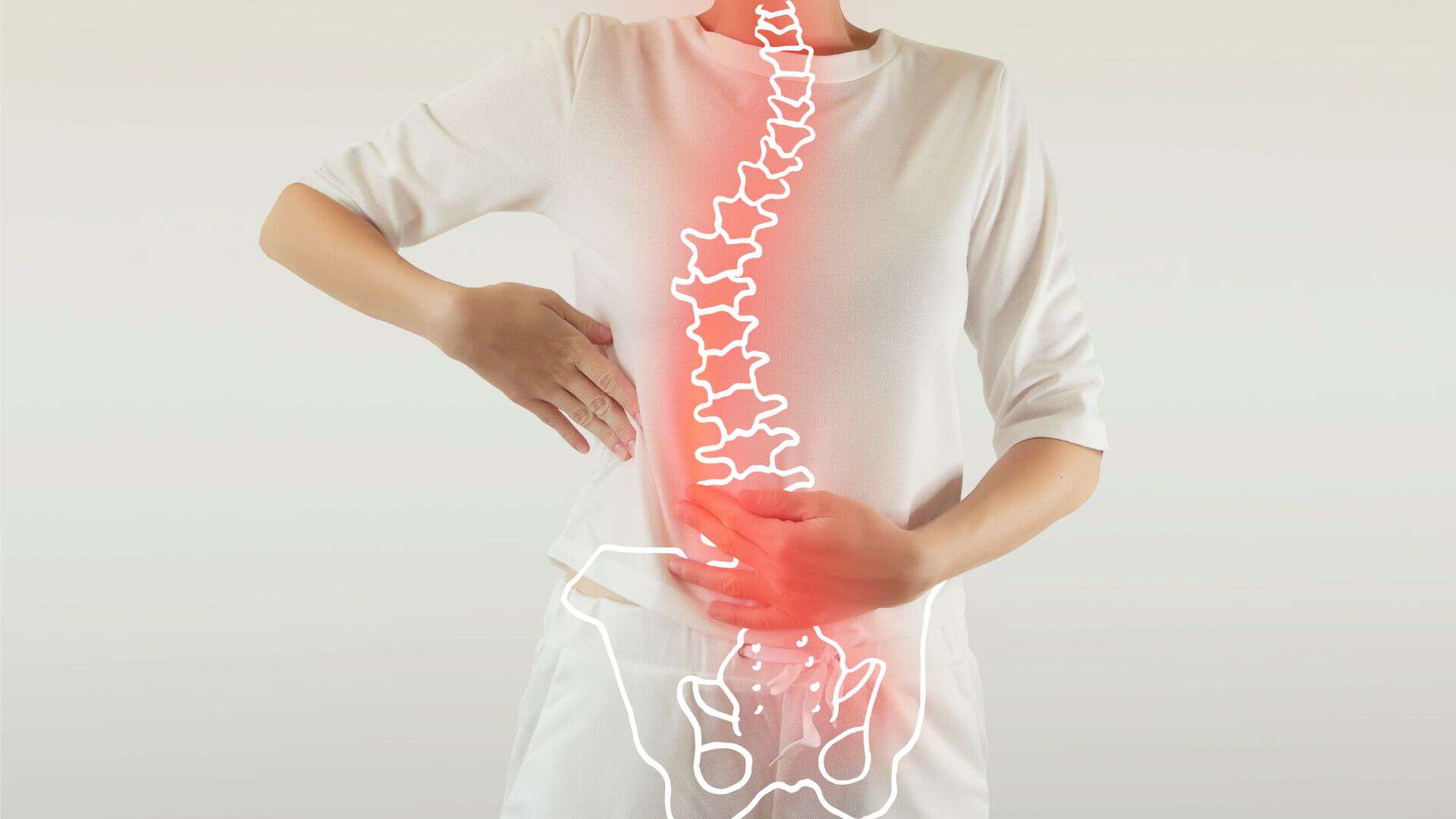
Spine pain — whether it’s sciatica shooting down your leg, a herniated disc pressing on a nerve root, or the kind of chronic lower back ache that just won’t quit — rarely has a single cause. There’s usually inflammation involved, but there’s also structural weakness, altered movement patterns, and in many cases, a nervous system that’s been in high-alert mode for so long it’s amplifying pain signals beyond what the underlying injury would normally produce.
Treating only the inflammation with an injection addresses the fire but leaves the building structurally compromised. Treating only the structure with physical therapy is often impossible when the nerve is so inflamed that movement itself becomes unbearable. Each approach, used alone, is working with one hand tied behind its back.

What Happens in Your Spine When Pain Becomes Chronic
When a disc herniates, it doesn’t just press on a nerve — it triggers a chemical inflammatory response that irritates the nerve root directly. That irritation is what produces the burning, shooting, or electric pain that travels down the leg in sciatica, or radiates into the arm with cervical disc problems. The nerve isn’t just compressed; it’s chemically aggravated, and that distinction matters enormously for treatment.
Physical therapy is built around movement — restoring range of motion, strengthening the muscles that support the spine, correcting the postural habits that put excessive load on vulnerable structures. All of that is genuinely valuable. But here’s the problem: when a nerve root is actively inflamed, asking someone to perform therapeutic exercise is like asking them to work out with a sprained ankle. The pain inhibits muscle activation. The body compensates in ways that reinforce bad movement patterns rather than correcting them.
This is why so many people do months of physical therapy and feel like they’re spinning their wheels. It’s not that the therapy was wrong — it’s that the nerve inflammation was never addressed first, so the body couldn’t respond to the rehabilitation the way it needed to.
On the other side of the equation, an injection that reduces nerve root inflammation can produce dramatic short-term relief. Patients often describe it as transformative — the pain that’s been dominating their life for months suddenly quiets down. But that relief has a window. Without rebuilding the structural support around the spine during that window, the same mechanical forces that caused the problem in the first place will eventually cause it again. The inflammation comes back. The cycle repeats.
Understanding this is the foundation of why a combined approach exists — and why it consistently outperforms either treatment used in isolation.
How Spinal Injections Create the Conditions for Physical Therapy to Actually Work
The most useful way to think about the relationship between injections and physical therapy is this: the injection opens a door that the physical therapy walks through.
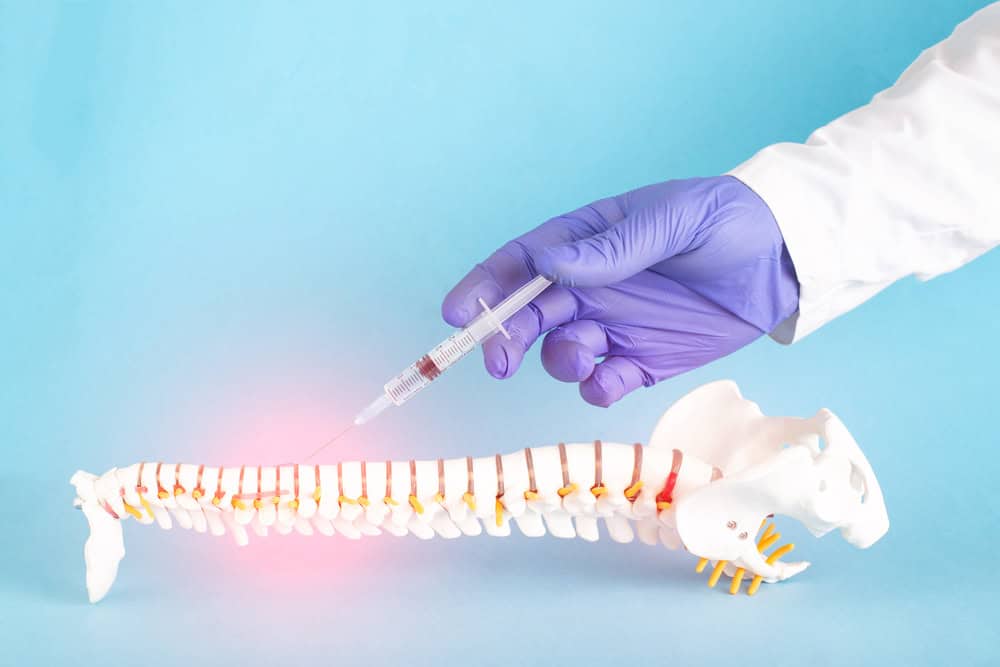
An epidural steroid injection — or a transforaminal nerve block, depending on where the problem is — delivers anti-inflammatory medication directly to the area of nerve irritation. It doesn’t fix the disc. It doesn’t rebuild weakened muscles. What it does is calm the inflammatory environment around the nerve root enough that pain is no longer the dominant signal your body is sending. That shift is significant.
When pain drops from a seven or eight to a two or three, your muscles can activate properly. Your nervous system stops bracing. You can move in ways that weren’t possible before. That’s when physical therapy becomes genuinely productive. The exercises that felt impossible — or that your body was compensating around — can now be performed correctly. The therapist can work on the movement patterns, core stabilization, and flexibility that create long-term structural resilience.
Research supports this. Studies on patients with lumbar spinal stenosis and sciatica consistently show that combining epidural steroid injections with supervised physical therapy produces better functional outcomes than either treatment alone. The injection provides the short-term relief; the physical therapy builds the long-term durability. Neither is a substitute for the other — they’re designed to work in sequence.
For New Yorkers specifically, this matters in a practical way. If you’re commuting on the subway every day, sitting at a desk in Midtown for eight hours, or carrying groceries up four flights of stairs in a walk-up, your spine is under constant mechanical load. Reducing inflammation alone doesn’t prepare your body for that reality. Rebuilding strength and movement quality does. The combined approach addresses both.
Want live answers?
Connect with a NY Spine Medicine expert for fast, friendly support.
What a Coordinated Spine Pain Treatment Plan Looks Like in Practice
The word “coordinated” is doing real work here. It doesn’t just mean getting an injection from one provider and doing physical rehabilitation somewhere else. It means the interventional physician and the rehabilitation team are working from the same understanding of your condition, timing the treatments to reinforce each other, and adjusting the plan based on how you’re responding.
At NY Spine Medicine, that coordination happens under one roof. We combine pharmaceutical treatment, injection therapy, and physical rehabilitation — not as separate tracks, but as an integrated plan designed around your specific condition and the demands of your daily life in New York.

Which Conditions Respond Best to Combined Injections and Rehabilitation
Not every spine condition follows the same path, but several of the most common ones respond particularly well to a combined interventional and rehabilitative approach.
Sciatica — pain that originates in the lower back and travels down one leg along the path of the sciatic nerve — is one of the clearest examples. It’s almost always driven by nerve root irritation, usually from a herniated disc pressing against the nerve or from spinal stenosis narrowing the canal the nerve passes through. The inflammation component is central to the pain, which makes it highly responsive to targeted injections. Once the nerve calms down, structured physical therapy focused on lumbar stabilization and hip mobility can address the mechanical factors that put pressure on the nerve in the first place.
Herniated disc treatment follows a similar logic. The disc itself may not fully heal, but the inflammatory response around it can be managed effectively, and the surrounding musculature can be strengthened to reduce the load on the affected segment. Many patients who are told they need surgery for a herniated disc find that a well-executed combined approach resolves their symptoms to a degree that makes surgery unnecessary — at least for now, and often permanently.
Chronic lower back pain — the kind that’s been present for months or years, that flares and settles but never fully goes away — often involves multiple contributing factors: facet joint degeneration, sacroiliac joint dysfunction, muscle imbalance, and sensitized pain pathways. Facet joint injections can provide meaningful relief, with research suggesting 50 to 80 percent pain reduction lasting three to six months in appropriately selected patients. When that relief is used strategically to engage in targeted rehabilitation, the results tend to be more durable than injections alone.
The common thread across all of these conditions is that inflammation and structural weakness are both part of the problem — and both need to be addressed for the outcome to last.
Common Questions About Combining Spinal Injections with Physical Therapy
One of the most frequent concerns we hear is some version of: “I’ve already had an injection and it only worked for a few weeks.” That experience is real, and it’s frustrating. But in most cases, what it reflects is that the injection was used as a standalone treatment rather than as the first step in a structured plan. The pain relief it provided wasn’t leveraged — there was no concurrent rehabilitation to build on that window of reduced pain. The inflammation came back because nothing changed structurally. That’s not a failure of the injection itself; it’s a failure of the approach around it.
Another common question is whether spinal injections are safe. When performed by a fellowship-trained, board-certified interventional specialist using fluoroscopic imaging guidance, epidural steroid injections and nerve blocks are well-established, extensively studied procedures with a strong safety record. The concern is understandable — the spine feels like high-stakes territory — but the procedure itself, in the right hands, is far less dramatic than most patients anticipate.
People also ask whether combining these treatments means they’ll need injections indefinitely. The goal is actually the opposite. The injection is a tool to create conditions for rehabilitation to work. As the physical therapy progresses and the muscles supporting your spine get stronger, the mechanical stress on the affected structures decreases. Many patients find they need fewer interventions over time, not more, because the underlying weakness that kept triggering inflammation has been addressed.
For patients in New York who have been told by another provider that surgery is the next step: that recommendation deserves a second opinion before it’s accepted. Surgery is sometimes necessary. But it should be a last resort, not a first response to a treatment plan that hasn’t yet included a properly coordinated combination of interventional and rehabilitative care. At NY Spine Medicine, our founding principle is exactly that — surgery is considered only after all other options have been genuinely exhausted.
Finding the Right Spine Pain Treatment in New York
New York is a demanding city to live in with a painful spine. The daily physical reality — the subway, the walking, the stairs, the desk hours — doesn’t pause while you figure out your treatment plan. That urgency is real, and it’s part of why a coordinated approach matters more here than it might elsewhere. You need a plan that gets you functional quickly and keeps you that way.
The combined approach to spinal pain treatment isn’t a new idea — it’s what the evidence has pointed toward for years. What’s less common is finding a practice that actually delivers it in an integrated, coordinated way rather than treating each modality as a separate referral.
If you’re still in pain after trying treatments that haven’t worked together, we’re worth a conversation. We offer a complimentary MRI review so you can get a physician’s perspective on your imaging before committing to anything — a low-barrier way to find out where you actually stand.