

Summary:
What Is Nerve and Muscle Testing
Nerve and muscle testing includes two main procedures: electromyography (EMG) and nerve conduction studies (NCV). They’re usually done together during the same appointment because they give you a complete picture of what’s happening in your neuromuscular system.
EMG testing measures the electrical activity in your muscles—both when they’re at rest and when you’re contracting them. Nerve conduction studies check how fast and how strong your nerve signals travel. Together, these tests show whether your symptoms come from nerve damage, muscle problems, or how the two communicate with each other.
Your doctor might order these tests if you have numbness, tingling, burning, weakness, or pain that hasn’t been explained by other testing. Standard imaging like MRI shows structure. Nerve and muscle testing shows function. That’s why patients throughout NYC—from Queens to Staten Island—often get their first real diagnosis after months of “normal” results elsewhere.

Why Your Doctor Ordered Nerve Conduction Studies
Nerve conduction studies measure how well your peripheral nerves—the nerves outside your brain and spinal cord—are doing their job. Your nerves work like electrical cables, sending signals between your brain and your muscles. When a nerve is compressed, damaged, or diseased, those signals slow down or weaken.
During the test, small electrode patches go on your skin over the nerve pathways being evaluated. A mild electrical impulse stimulates the nerve, and other electrodes record how the nerve responds. The sensation feels like small static electricity shocks—brief and tolerable for most people. The test measures the speed of the signal and how strong it is when it arrives.
If signals travel slower than they should, or if they’re weaker than normal, that tells your doctor the nerve is damaged or compressed. The location and severity of the problem becomes clear. This is how conditions like carpal tunnel syndrome, pinched nerves, and peripheral neuropathy get definitively diagnosed instead of guessed at.
Nerve conduction studies can also rule out serious conditions. Sometimes your symptoms aren’t caused by nerve damage at all, and knowing that saves you from unnecessary treatments or procedures. The test gives your medical team objective data to work from instead of trial and error.
The procedure itself is non-invasive. Nothing goes inside your body during nerve conduction testing. Most people describe it as uncomfortable but not painful. The electrical pulses might make your muscles twitch slightly, which can feel strange but isn’t harmful. Any discomfort stops immediately when the test ends.
Results show up in real time on the testing equipment. Your doctor can often explain preliminary findings right there in the room. You’re not left wondering for weeks what the numbers mean or whether something serious showed up. That immediate feedback matters when you’ve already spent months without answers.
How EMG Testing Works and What It Measures
Electromyography takes the evaluation one step further by measuring electrical activity directly in your muscle tissue. A healthy muscle at rest produces no electrical signals. When you contract a muscle, specific patterns of electrical activity should appear. Abnormal patterns—whether at rest or during contraction—indicate nerve damage, muscle disease, or problems with the connection between nerves and muscles.
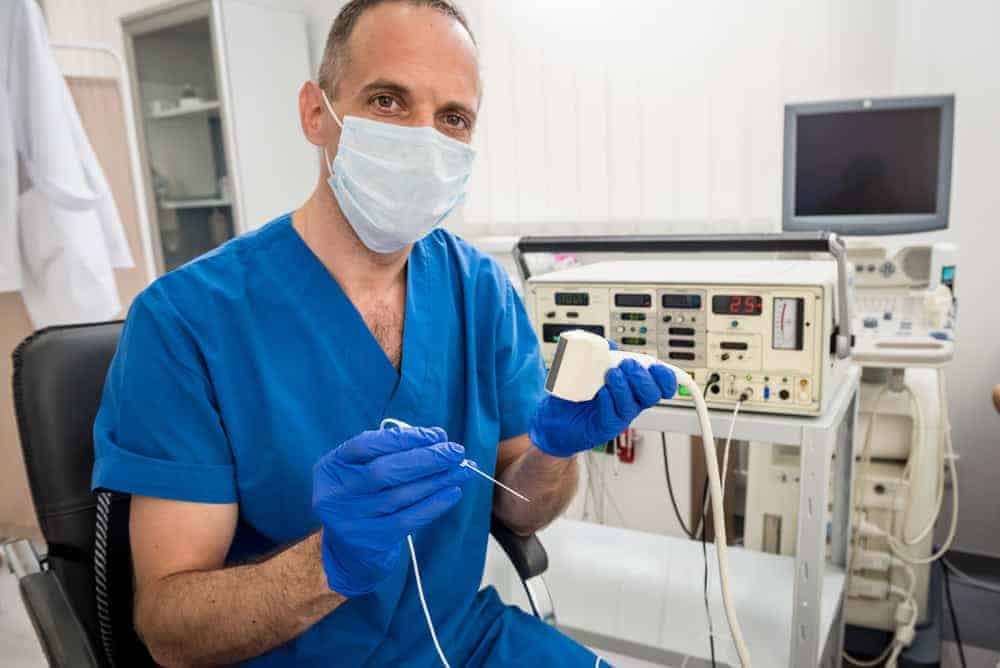
During EMG testing, a thin needle electrode is inserted through your skin into the muscle being evaluated. The needle acts as a sensor, picking up electrical signals your muscle fibers produce. You’ll be asked to relax the muscle completely, then contract it gently, then use more force. Each phase reveals different information about nerve and muscle health.
Most people expect EMG to be more painful than it actually is. The needle is very thin—much smaller than needles used for blood draws. The insertion feels like a quick pinch. Some muscles are more sensitive than others, and you might feel brief discomfort when the needle goes in, but the sensation typically isn’t severe. Many patients at pain management centers across the Bronx and Manhattan say the anticipation was worse than the actual experience.
The test is customized based on your specific symptoms. Your doctor doesn’t test every muscle in your body. They target the exact areas related to your complaints. If you have hand numbness, they test muscles in your hand, forearm, and possibly upper arm or neck. If you have leg weakness, they focus on leg and lower back muscles. This targeted approach keeps testing time reasonable and discomfort minimal.
What makes EMG valuable is its ability to distinguish between different types of problems. Nerve damage produces different electrical patterns than primary muscle disease. A pinched nerve in your neck creates different findings than carpal tunnel syndrome in your wrist, even if both cause hand numbness. The test localizes the problem with precision that clinical examination alone can’t match.
You get answers about conditions that are notoriously difficult to diagnose otherwise. Peripheral neuropathy, radiculopathy, myopathy, nerve entrapment syndromes, and neuromuscular junction disorders all have characteristic EMG findings. Without this testing, treatment becomes guesswork. With it, your doctor knows exactly what they’re dealing with and can recommend treatment that actually addresses your specific condition.
Want live answers?
Connect with a NY Spine Medicine expert for fast, friendly support.
What to Expect During Your Nerve and Muscle Testing Appointment in NYC
Your appointment typically starts with a consultation. The doctor reviews your symptoms, medical history, and why testing was ordered. They’ll ask detailed questions about when symptoms started, what makes them better or worse, and how they’re affecting your daily life. This conversation helps them design the most effective testing protocol for your situation.
The actual testing happens in a standard exam room. You’ll sit or lie on an examination table in a position that allows access to the areas being tested. The room temperature matters—cold muscles and nerves don’t conduct signals as well, which can affect results, so the room is kept comfortably warm.
Most appointments take between 30 and 90 minutes depending on how many nerves and muscles need evaluation. Testing one arm for suspected carpal tunnel syndrome goes faster than evaluating both legs for peripheral neuropathy. Your doctor explains each step as they go, so you’re never surprised by what’s happening.

Preparing for Your EMG and Nerve Conduction Study
Preparation for nerve and muscle testing is straightforward. You don’t need to fast or stop taking your regular medications. In fact, you should take your medications as prescribed unless your doctor specifically tells you otherwise. The test measures your baseline nerve and muscle function, so you want to be in your normal state.
Avoid using lotions, creams, or oils on your skin for a day or two before the appointment. These products can interfere with electrode contact and affect the accuracy of nerve conduction studies. Clean, dry skin gives the best results. If you forget and use lotion on the day of testing, mention it—the technician can clean your skin more thoroughly before starting.
Wear comfortable, loose-fitting clothing that allows easy access to the areas being tested. For arm and hand symptoms, a short-sleeved or sleeveless shirt works well. For leg and back issues, shorts or pants that roll up easily are ideal. You might be asked to change into a gown depending on which body parts need evaluation.
If you take blood thinners like warfarin, Plavix, or aspirin, let your doctor know before the appointment. You typically don’t need to stop these medications, but your doctor should be aware because needle insertion might cause slightly more bruising than usual. The same goes if you have a pacemaker or implanted defibrillator—special precautions ensure the electrical stimulation used in testing doesn’t interfere with your device.
Bring your insurance card and any referral paperwork your doctor provided. Most insurance plans cover EMG and nerve conduction studies when they’re medically necessary to diagnose your symptoms. Whether you’re coming from Brooklyn, Queens, or anywhere in the five boroughs, we can verify your coverage and explain any potential out-of-pocket costs before you begin.
Arrive about 15 minutes before your scheduled time to complete any remaining paperwork. Bring a list of your current symptoms and any questions you want to ask. This is your chance to get clarity on what’s been happening with your body, so don’t hold back on asking about things that concern you.
Understanding Your Results and What Happens Next
One of the biggest advantages of nerve and muscle testing at our NYC center is getting same-day results. We review your test data immediately after testing is complete and explain what we found. You’re not left waiting weeks for a report to reach your referring physician. You get answers before you leave the office.
We’ll tell you whether the tests showed nerve damage, and if so, which nerves are affected and how severely. We’ll explain whether the problem is nerve compression, nerve injury, neuropathy, or something else entirely. If muscle abnormalities showed up, we’ll clarify what type and what that means for treatment. This immediate interpretation helps you understand your diagnosis in clear terms without medical jargon.
You’ll also receive a detailed written report that documents all findings. This report goes to your referring doctor and any other specialists involved in your care. Having objective test results makes it easier for your healthcare team to coordinate treatment. Insurance companies also approve treatments more readily when diagnostic testing confirms the medical necessity.
The results guide what happens next. If testing confirms a pinched nerve, we might recommend physical therapy, medications, injections, or in some cases, surgical consultation. If peripheral neuropathy shows up, treatment focuses on the underlying cause—managing diabetes, addressing vitamin deficiencies, or adjusting medications that might be contributing. If results show muscle disease, you might need additional testing like muscle biopsy or genetic studies.
Sometimes test results are normal despite ongoing symptoms. That doesn’t mean your symptoms aren’t real. It means the cause isn’t nerve or muscle dysfunction detectable by EMG and NCV. We’ll discuss other possible explanations and what testing or evaluation should happen next. Normal results can be just as valuable as abnormal ones because they narrow down what’s causing your problems.
Early diagnosis matters because nerve damage can become permanent if left untreated. Conditions like carpal tunnel syndrome or a pinched nerve in your spine can lead to irreversible loss of function if compression continues too long. Getting tested when symptoms first appear gives you the best chance of full recovery. Waiting often means more aggressive treatment is needed later, or that some damage can’t be reversed.
Getting Answers About Your Nerve and Muscle Symptoms
Nerve and muscle testing gives you something you haven’t had yet: a definitive answer about what’s causing your symptoms. No more guessing. No more trying treatments that don’t work because no one identified the actual problem. EMG and nerve conduction studies show exactly which nerves or muscles aren’t functioning properly, how severe the damage is, and what needs to happen next.
The testing itself is tolerable. Most people find the anticipation worse than the reality. Any discomfort is temporary and ends as soon as testing is complete. What you get in return—same-day results, a clear diagnosis, and a real path forward—makes those 30 to 60 minutes worthwhile.
If you’re still dealing with unexplained numbness, tingling, weakness, or pain anywhere from Manhattan to Staten Island, nerve and muscle testing might be the missing piece. We offer comprehensive diagnostic testing with immediate results from board-certified specialists who understand exactly what your symptoms mean and how to help. Don’t wait for nerve damage to become permanent. Getting tested now gives you the best chance of recovery and getting back to life without constant symptoms holding you back.