


Summary:
What Is Radiofrequency Ablation and How Does It Work
Radiofrequency ablation is a procedure that uses heat to interrupt the nerve fibers responsible for transmitting pain signals. Think of it as turning down the volume on a specific channel—the pain is still happening at the source, but your brain stops receiving the message.
During the procedure, a thin needle is guided to the exact location of the problematic nerve using X-ray imaging. Once positioned, radiofrequency energy heats the nerve tissue to a precise temperature, creating a small lesion that disrupts its ability to communicate with your brain. The entire process takes anywhere from 15 minutes to two hours, depending on how many nerves need treatment.
What makes RFA particularly effective for chronic back pain is its precision. Instead of flooding your system with medications that affect your entire body, or cutting into muscle and bone with surgery, RFA goes straight to the nerve causing the problem. You’re awake during the procedure, which actually helps—you can tell us exactly when we’ve found the right spot.
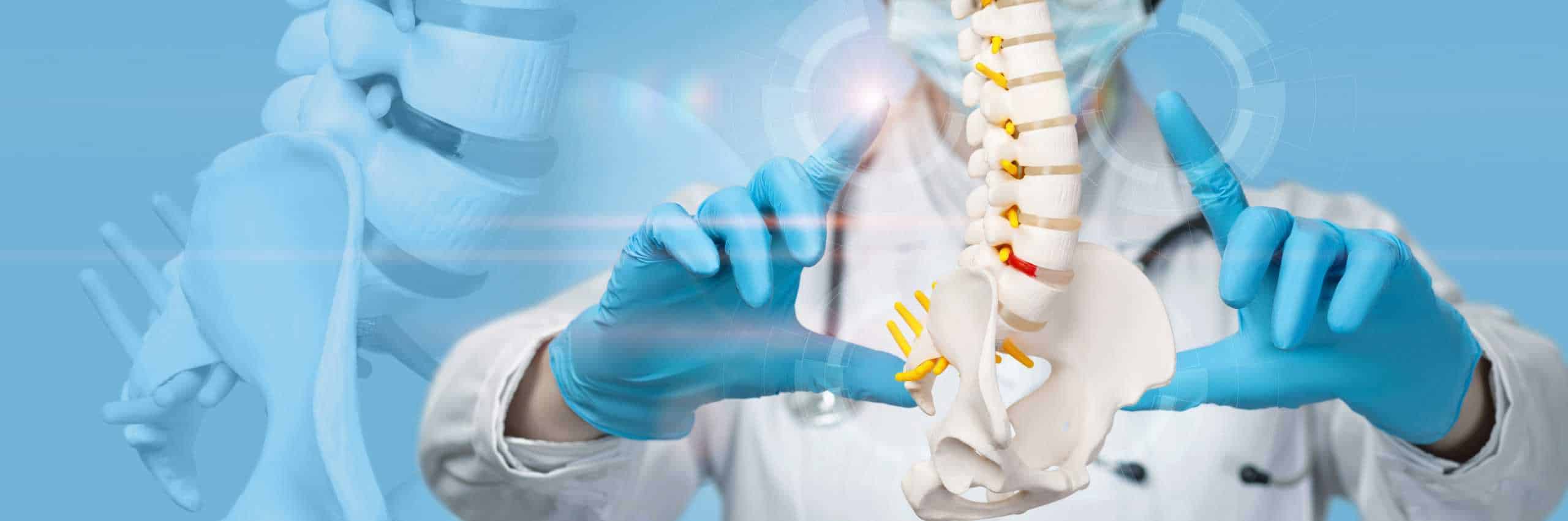
Which Types of Back Pain Respond Best to RFA
Not all back pain is created equal, and RFA isn’t a one-size-fits-all solution. It works exceptionally well for specific conditions where nerve signals are the primary problem.
Facet joint pain is the most common target. These small joints on the back of your spine can develop arthritis or become inflamed from injury or degeneration. When they do, the medial branch nerves connected to these joints send constant pain signals. RFA disrupts those nerves, and research shows 70 to 80 percent of patients who respond well to diagnostic nerve blocks experience significant relief.
Sacroiliac joint pain is another strong candidate. The SI joints connect your spine to your pelvis, and when they’re damaged or arthritic, the lateral branch nerves transmit pain that often radiates into your buttocks and thighs. RFA can quiet those nerves for months at a time.
Spinal arthritis, also called spondylosis, responds well to RFA when facet joints are involved. As the cartilage between vertebrae wears down, bone spurs develop and joints become inflamed. The pain can be debilitating, especially with movement or prolonged standing. RFA targets the sensory nerves around these joints, blocking pain without affecting your ability to move or function.
Here’s the key: RFA works best when your pain stays localized to your back and doesn’t radiate significantly down your legs. If you have more back pain than leg pain, if standing or extending your spine makes it worse, and if sitting provides some relief, you’re likely dealing with facet-related pain—and that makes you a good candidate for radiofrequency ablation.
Before RFA is even considered, you’ll typically undergo diagnostic nerve blocks. These temporary injections numb the suspected nerves. If you get significant relief—usually defined as more than 75 percent pain reduction—it confirms those nerves are the source of your pain. That’s when RFA becomes the next logical step for longer-lasting results.
The Success Rates and Duration of Pain Relief
Let’s talk numbers, because when you’re dealing with chronic pain, you want to know what actually works.
Research consistently shows that 70 to 80 percent of patients who have successful diagnostic nerve blocks benefit from radiofrequency ablation. That’s not a small improvement—studies define success as at least 50 percent pain reduction, and many patients report even better results. One long-term study found that 53 percent of patients maintained at least 50 percent pain relief at a median follow-up exceeding three years.
The duration of relief varies, but here’s what you can reasonably expect: most patients experience significant pain reduction for six to twelve months. Some get relief that lasts up to two years or longer. The variation depends on several factors—how quickly your nerves regenerate, the severity of your underlying condition, and how well you maintain strength and flexibility through physical therapy.
Here’s what happens over time. The treated nerve doesn’t disappear—it regenerates. That’s normal and expected. Nerves typically regrow within six to twelve months, which is why pain can gradually return. But here’s the important part: if RFA worked for you once, it can work again. The procedure can be safely repeated, and success rates for repeat treatments remain strong.
You won’t feel relief immediately. Most patients notice improvement within ten to fourteen days as inflammation from the procedure subsides. Complete benefits usually manifest within two to four weeks. Some people experience temporary increased pain right after the procedure—that’s the nerve responding to the treatment, and it typically resolves within the first week.
What about the patients who don’t respond? About 20 to 30 percent don’t achieve meaningful relief. Sometimes it’s because the wrong nerves were targeted. Sometimes multiple pain sources are at play. That’s why proper diagnosis with nerve blocks beforehand is so critical—it dramatically improves your odds of success.
The research also tells us something important about function. Pain reduction is one thing, but what you really want is your life back. Studies show that patients who undergo RFA report improved mobility, better sleep, reduced medication use, and the ability to participate in physical therapy more effectively. Those functional improvements often matter more than the pain scores themselves.
One more thing worth knowing: RFA doesn’t fix the underlying problem. If you have arthritis, the arthritis is still there. If your facet joints are degenerating, that degeneration continues. What RFA does is interrupt the pain signal, giving you relief while you work on strengthening, conditioning, and managing the condition through other means. For many people dealing with chronic pain, that’s exactly what they need—not a cure, but a solution that lets them function while they address the root cause.
Want live answers?
Connect with a NY Spine Medicine expert for fast, friendly support.
Minimally Invasive Procedure With Fast Recovery
One of the biggest advantages of radiofrequency ablation is what it doesn’t require. No hospital stay. No general anesthesia. No cutting through muscle and bone. No months of rehabilitation.
The procedure happens in an outpatient setting, often in a pain management clinic or surgery center. You arrive, have the procedure, and go home the same day. Most patients spend about two hours total at the facility, with the actual treatment taking anywhere from 15 minutes to two hours depending on how many nerves need to be treated.
You’ll receive local anesthesia to numb the area where the needle enters your skin. Some patients opt for light sedation if they’re anxious, but you remain conscious throughout the procedure. That’s actually helpful—you can communicate with us and provide feedback that helps us position the needle with precision.

What to Expect During the RFA Procedure
Understanding what happens during radiofrequency ablation can ease a lot of the anxiety people feel before their appointment.
You’ll lie on an exam table, usually on your stomach if the treatment targets your lower back. We use fluoroscopy—a type of real-time X-ray—to guide a thin needle to the exact location of the nerve causing your pain. This imaging ensures precision. You’re not getting a general treatment—you’re getting targeted intervention on specific nerves identified during your diagnostic blocks.
Once the needle is positioned correctly, you’ll receive a numbing medication. Then the radiofrequency current passes through the needle, heating the nerve tissue to create a small lesion about the size of a cotton swab tip. The heat destroys the portion of the nerve that transmits pain signals. Each site takes about 90 seconds to treat, and multiple nerves can be addressed during the same session.
You might feel a tingling sensation or slight pressure during the procedure. Some patients report a brief burning feeling when the radiofrequency current is applied. This is normal and temporary. We’ll check in with you throughout the process to make sure you’re comfortable.
After the treatment, you’ll be monitored for a short period—usually 15 to 30 minutes—to ensure you’re stable and there are no immediate complications. Then you’re free to go home. You’ll need someone to drive you, especially if you received sedation, but many patients who only had local anesthesia can take a taxi or use public transportation.
The immediate aftermath varies. Some people feel relief right away, though that’s usually just the numbing medication. Others experience increased soreness for the first few days as the treated area responds to the procedure. This is completely normal. Ice packs applied for 20 minutes on and off can help manage any discomfort.
Most people return to normal activities within 24 to 72 hours. You’ll be advised to avoid heavy lifting for about a week, but light movement and daily activities are encouraged. In fact, staying active helps. Physical therapy often begins shortly after the procedure to help you build strength and prevent future problems.
Comparing RFA to Surgery and Other Pain Treatments
When you’re weighing your options for chronic back pain, it helps to understand how radiofrequency ablation stacks up against other treatments.
Surgery is often presented as the definitive solution, but it comes with significant risks and tradeoffs. Spinal fusion, laminectomy, and other surgical interventions require general anesthesia, hospital stays, and months of recovery. Complication rates, while relatively low, include infection, nerve damage, and failed back surgery syndrome—a condition where pain persists or worsens after surgery. Surgery also permanently alters your spine’s structure, which can lead to problems at adjacent levels years down the road.
RFA, by contrast, is reversible. If it doesn’t work, you haven’t lost anything. Your anatomy remains unchanged. And if it does work, you’ve avoided the risks and recovery time of surgery entirely. For many patients, RFA becomes the bridge that helps them avoid surgery altogether.
Steroid injections provide temporary relief—usually one to two months—by reducing inflammation around nerves and joints. They can be helpful for acute flare-ups or as a diagnostic tool, but they’re not a long-term solution. You can only receive a limited number of steroid injections per year due to potential side effects, including cartilage damage and bone weakening. RFA offers relief that lasts significantly longer without the cumulative risks of repeated steroid exposure.
Medications are another common approach. Over-the-counter anti-inflammatories, prescription muscle relaxants, and even opioids might take the edge off, but they don’t address the source of the pain. They also come with side effects—stomach issues, drowsiness, dependency risks, and more. RFA reduces or eliminates the need for pain medications, which is a major benefit for patients concerned about long-term medication use.
Physical therapy is essential for managing chronic back pain, but for some people, the pain is too severe to participate effectively. RFA can provide enough relief to make physical therapy tolerable and productive. It’s not an either-or situation—RFA often works best when combined with a comprehensive approach that includes exercise, strengthening, and lifestyle modifications.
The real advantage of radiofrequency ablation is that it targets the problem at its source without the invasiveness of surgery, the temporary nature of injections, or the systemic effects of medications. It fits into a treatment strategy that prioritizes function, safety, and long-term outcomes. For patients who’ve exhausted conservative options but aren’t ready for surgery—or who aren’t good surgical candidates due to age or other health factors—RFA offers a practical middle ground.
Is Radiofrequency Ablation Right for Your Chronic Back Pain
Radiofrequency ablation isn’t the right solution for everyone, but for the right patient, it can be life-changing. If you’ve been dealing with chronic back pain for more than six months, if conservative treatments haven’t provided lasting relief, and if your pain is primarily in your back rather than radiating down your legs, RFA deserves serious consideration.
The success rates speak for themselves. The recovery time is minimal. The risks are low. And for many patients, the relief lasts long enough to get back to work, exercise, and the activities that matter most—without surgery and without relying on medications that come with their own set of problems.
The first step is proper diagnosis. That means working with a specialist who can determine whether your pain is coming from facet joints, SI joints, or another source. Diagnostic nerve blocks confirm the source and predict how well you’ll respond to RFA. From there, the decision becomes clearer.
If you’re in the NYC area and chronic back pain has been controlling your life, we specialize in minimally invasive procedures like radiofrequency ablation at NY Spine Medicine. Our team is led by experts trained at top institutions, and our focus is on getting you real, lasting relief—not just masking symptoms. Reach out to discuss whether RFA might be the solution you’ve been looking for.