

Summary:
What Are Epidural Steroid Injections and When Are They Used?
An epidural steroid injection delivers anti-inflammatory medication directly into the epidural space—the area surrounding your spinal cord and nerve roots. Think of it as targeting the highway where nerve signals travel. When a herniated disc, bone spur, or spinal stenosis compresses those nerves, inflammation builds up and causes pain that radiates down your leg or arm.
That’s what epidurals address. Not the joint itself, but the inflamed nerve that’s sending pain signals elsewhere. The injection combines a corticosteroid to reduce swelling and a local anesthetic for immediate numbing. The steroid doesn’t “fix” a herniated disc, but it calms the inflammation enough to let your body heal and lets you move without constant nerve pain.
Epidural steroid injections are most effective for conditions like sciatica, where pain shoots from your lower back down through your buttock and leg. They’re also used for cervical radiculopathy—neck pain that radiates into your shoulder or arm. If your pain travels, an epidural is usually the better option.
How Does an Epidural Injection Work for Herniated Disc Treatment?
When a disc herniates, the soft inner material pushes through the outer layer and presses against a nearby nerve root. That pressure triggers inflammation, and inflammation amplifies pain. Your leg might hurt more than your back. You might feel tingling, numbness, or weakness. That’s nerve compression at work.
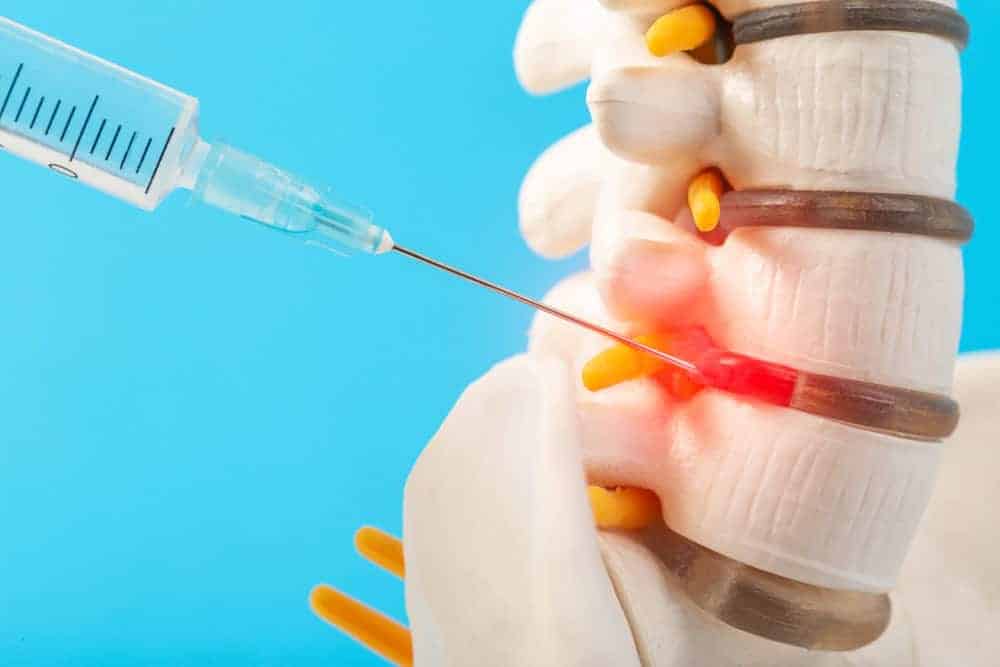
An epidural steroid injection targets that inflammation at its source. Using fluoroscopy—a live X-ray—we guide a thin needle into the epidural space near the affected nerve. A contrast dye confirms placement, then the medication is injected. The anesthetic works immediately, so you might feel relief within minutes. The steroid takes a few days to kick in, but once it does, it reduces swelling around the nerve and eases the pressure.
Most people experience significant pain reduction within a week. Some get relief that lasts weeks. Others, months. It varies based on how severe the herniation is and how your body responds. But the goal isn’t just symptom relief—it’s giving your body the breathing room it needs to heal while you work on strengthening and rehabilitation.
Research shows that 50 to 80 percent of patients see meaningful improvement after epidural steroid injections, especially when combined with physical therapy. It’s not a permanent fix, but it can help you avoid surgery or at least delay it while you explore other options. And for many people dealing with a herniated disc or spinal stenosis, that’s enough to get back to normal life.
What Conditions Respond Best to Epidural Steroid Injections?
Epidurals work best when nerve pain is the main issue. If your symptoms radiate beyond your back—down your leg, into your foot, or from your neck into your arm—that’s a strong indicator that a nerve root is involved. And that’s where epidural steroid injections shine.
Sciatica is one of the most common reasons people get epidurals. The sciatic nerve runs from your lower back through your hips and down each leg, and when it’s compressed by a herniated disc or bone spur, the pain can be debilitating. Epidurals reduce the inflammation around that nerve, which often provides fast relief from the shooting, burning, or electric-shock sensations people describe.
Spinal stenosis—a narrowing of the spinal canal that puts pressure on the spinal cord and nerves—also responds well to epidural injections. This condition is more common as we age, and the pain often gets worse with standing or walking. An epidural can open up space by reducing swelling, making movement less painful.
Degenerative disc disease is another condition where epidurals help. As discs lose height and hydration over time, they can bulge or develop tears that irritate nearby nerves. The inflammation from that irritation is what the steroid targets. Cervical radiculopathy—nerve pain in the neck that radiates into the shoulders, arms, or hands—also benefits from epidural injections, though the approach is slightly different since the injection is done in the cervical spine rather than the lumbar region.
What epidurals don’t treat well is localized joint pain. If your pain stays in one spot and doesn’t travel, a different type of injection is probably more appropriate. That’s where facet blocks come in.
Want live answers?
Connect with a NY Spine Medicine expert for fast, friendly support.
What Are Facet Block Injections and How Do They Differ?
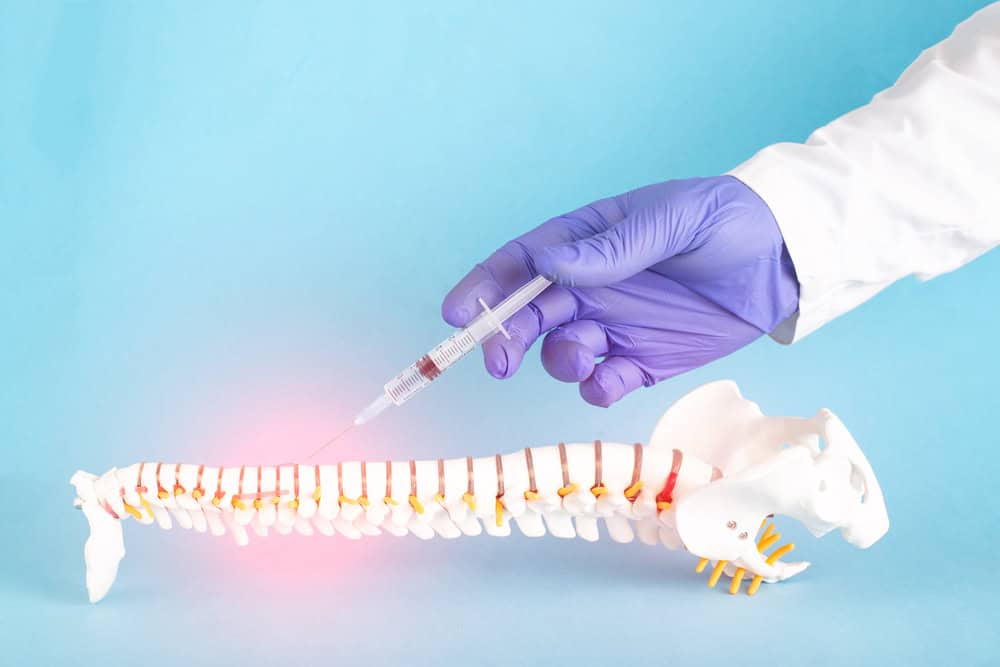
Facet block injections—also called facet joint injections—target the small joints that connect your vertebrae. These joints allow your spine to bend, twist, and move, but they can also become a major source of pain when they’re inflamed, arthritic, or injured.
Unlike epidurals, which address nerve pain, facet blocks treat joint pain. The medication is injected directly into or around the facet joint, numbing the area and reducing inflammation. Facet blocks serve two purposes: they’re diagnostic and therapeutic. If your pain improves significantly after the injection, it confirms that the facet joint is the source. If it doesn’t, we know to look elsewhere.
Facet blocks are typically used for pain that stays localized to your back or neck. It doesn’t shoot down your leg or into your arm. It’s more of a deep ache, stiffness, or sharp pain when you move a certain way—especially with twisting, bending backward, or standing for long periods.
When Are Facet Joint Injections the Right Choice?
Facet joint injections are most effective for people dealing with facet joint arthritis, also called facet joint syndrome. This happens when the cartilage in the facet joints wears down, leading to bone-on-bone friction, inflammation, and pain. It’s common in people over 50, but it can also develop earlier due to injury, repetitive stress, or poor posture.
The pain from facet joint problems is usually localized. It might hurt in your lower back when you stand up from sitting. It might flare when you twist to look over your shoulder. It often feels worse in the morning or after long periods of inactivity. And it typically doesn’t radiate down your leg—that’s a key distinction from nerve-related pain.
Facet blocks are also used to diagnose pain before considering radiofrequency ablation, a longer-lasting procedure that uses heat to deactivate the nerve supplying the painful joint. If a facet block provides 70 to 80 percent relief for a few hours, it’s a strong indicator that radiofrequency ablation could offer months of relief.
Degenerative disc disease can also involve the facet joints. As discs lose height, the facet joints bear more load and can become inflamed. Spondylolisthesis—when one vertebra slips forward over another—can stress the facet joints as well. In these cases, a facet block can help pinpoint whether joint pain is contributing to your symptoms, or if something else is going on.
Injury is another common reason for facet joint pain. A car accident, sports injury, or heavy lifting incident can sprain or inflame the facet joints, leading to persistent discomfort. Facet blocks can provide relief while the joint heals, and they’re often combined with physical therapy to restore strength and mobility.
How Do You Know If You Need an Epidural or a Facet Block?
The biggest clue is where your pain goes. If it radiates—down your leg, into your foot, from your neck into your arm—you’re likely dealing with nerve compression, and an epidural steroid injection is usually the better option. If your pain stays in one area of your back or neck and doesn’t travel, facet joint involvement is more likely, and a facet block makes more sense.
Your symptoms tell the story. Sciatica, numbness, tingling, or weakness in your limbs point to nerve issues. A deep ache, stiffness, or pain with certain movements—especially twisting or arching backward—suggests facet joint problems. We’ll also perform a physical exam and may use imaging like an MRI to see what’s happening structurally.
Sometimes both injections are appropriate, especially if you have multiple pain sources. For example, you might have a herniated disc causing sciatica and facet joint arthritis causing localized back pain. In that case, we might recommend an epidural first to address the nerve pain, then a facet block to tackle the joint issue.
The injection itself helps with diagnosis. If a facet block gives you significant relief, even temporarily, it confirms the facet joint as a pain generator. If an epidural helps, it points to nerve inflammation. That information guides the next steps in your treatment plan, whether that’s physical therapy, additional injections, or considering procedures like radiofrequency ablation.
One thing to keep in mind: these injections don’t cure the underlying condition. A herniated disc is still herniated. Arthritis is still arthritis. But they reduce inflammation, relieve pain, and give you the window you need to strengthen your body, improve your movement patterns, and avoid surgery. For many people, that’s exactly what they need to get their life back.
Choosing the Right Spinal Injection for Lasting Relief
Epidural steroid injections and facet block injections both reduce spinal inflammation, but they work in different ways and treat different problems. Epidurals target nerve pain that radiates. Facet blocks address localized joint pain. Knowing which one matches your symptoms makes all the difference in getting real relief instead of wasting time on the wrong approach.
If you’re dealing with sciatica, a herniated disc, or pain that shoots down your leg or arm, an epidural is likely the right move. If your pain stays in your back or neck and flares with movement, a facet block is worth exploring. And if you’re not sure, a thorough evaluation with imaging and a physical exam will point you in the right direction.
The key is working with a specialist who understands the nuances of spinal pain and uses advanced techniques like fluoroscopy to ensure precision. At NY Spine Medicine, we guide every injection with real-time imaging, tailor every treatment plan to your specific condition, and always focus on the same goal: getting you out of pain and back to doing what matters—without surgery.