
Summary:
Here is the direct answer. Spinal cord stimulation is used when severe pain has persisted despite reasonable attempts at medication, therapy, injections, and sometimes surgery, and when that pain has a strong nerve related component. It works by delivering mild electrical signals to the spinal cord, which changes how pain messages are transmitted before they ever reach the brain.
What makes it unusual among pain treatments is that you try it before you commit to it. Nothing permanent happens until you have lived with a temporary version for several days and seen for yourself whether it helps.
That built in test is the most important thing to understand about it, and it is where the rest of this article starts.
Where Spinal Cord Stimulation Sits In The Treatment Ladder
Nobody starts here, and no reputable practice suggests otherwise.
The usual path runs from conservative care, activity modification, physical therapy, and medication, through targeted injections that both treat the pain and clarify where it is coming from, and sometimes through radiofrequency ablation or surgery when the anatomy calls for it. Spinal cord stimulation is considered when that path has been walked honestly and you are still in significant pain.
The important word is honestly. Stimulation is not a way to skip the work of rehabilitation, and it is not a rescue for a problem that a straightforward decompression would solve. It is for pain that has outlived the structural explanation, or pain coming from a structure that cannot be fixed any further.
It is also reversible, which is rare in this field. The hardware can be removed. That matters when you are weighing it against a second or third operation.

How Does A Stimulator Actually Change Your Pain?
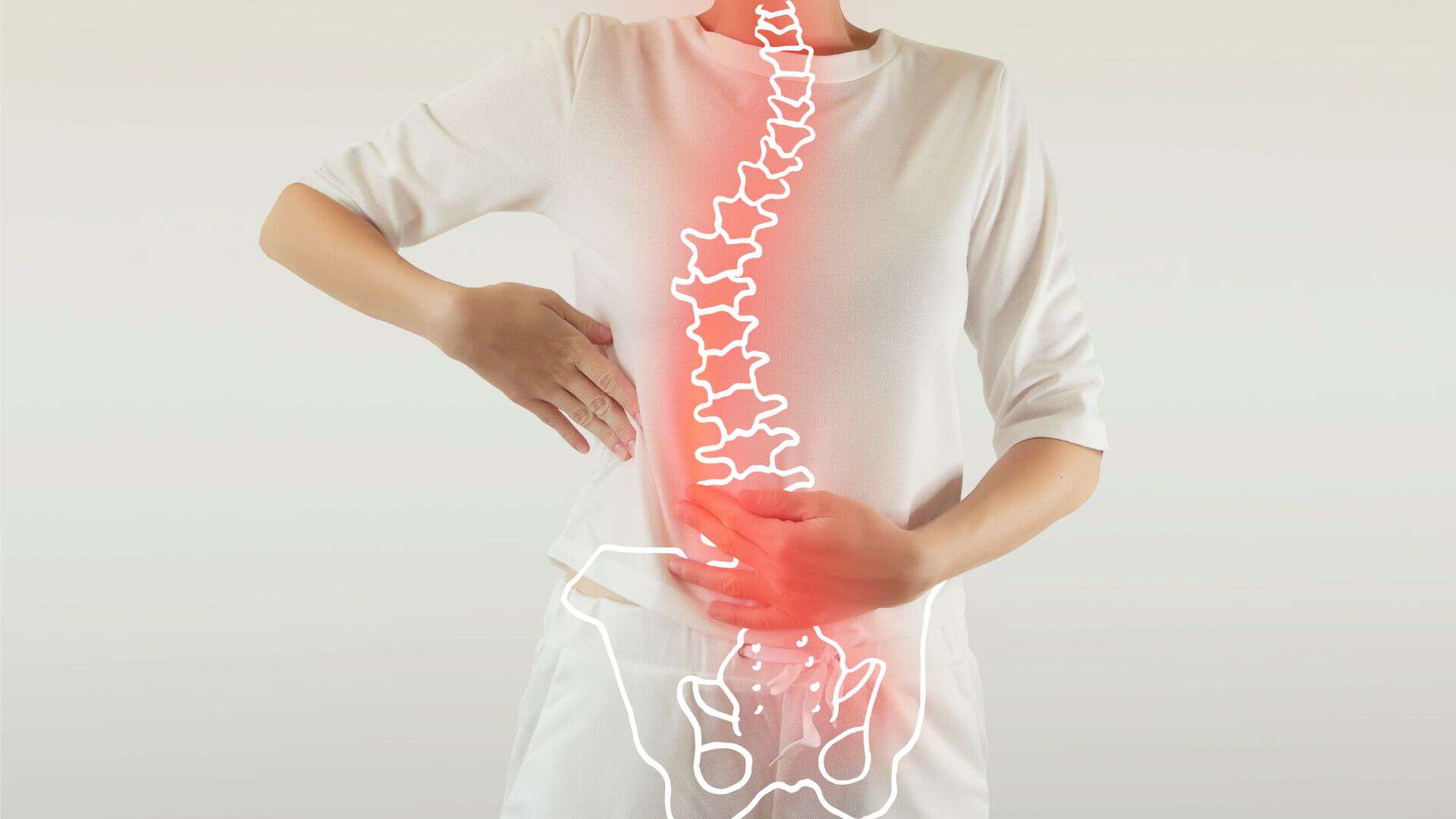
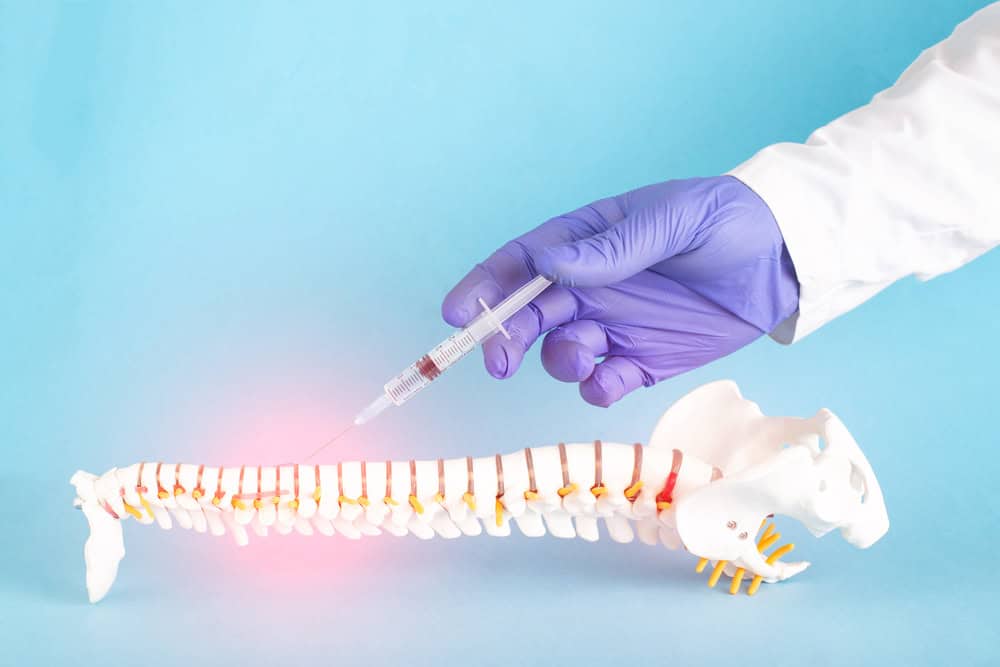
Thin insulated wires, called leads, are placed in the epidural space just outside the spinal cord, at the level that corresponds to where your pain lives. The leads carry mild electrical pulses from a small generator, roughly the size of a pacemaker, implanted under the skin.
The classical explanation is that stimulation interferes with pain signaling in the spinal cord, essentially crowding the pathway so that fewer pain messages get through. Older systems produced a gentle tingling, called paresthesia, that replaced the painful sensation in that area. Many patients described it as a buzzing that felt distinctly better than what it covered.
Newer systems often work at frequencies or waveforms that produce no tingling at all. You feel nothing from the device itself, only less pain. Which type suits you depends on your pain pattern and on how you respond during the trial, and it is a reasonable thing to ask your physician about directly.
Programming is a real part of the treatment rather than an afterthought. Most systems allow several settings, and the first weeks after implantation usually involve adjustments to find what works for your pain while walking, sitting, and sleeping. Patients who expect one perfect setting on day one tend to be disappointed. Patients who expect a tuning period usually end up better served.
What is worth holding onto is this. The device does not treat the disc, the scar tissue, or the nerve injury. It intervenes in the conversation between that area and your brain. That is why an MRI taken after a successful trial looks exactly the same as it did before, and why the honest measure of success is how you feel and what you can do, not what the imaging shows.
Which Kinds Of Severe Pain Respond, And Which Usually Do Not
Stimulation has a clear preference, and it is for nerve related pain.
The situations where it is most often considered include persistent leg or arm pain after spine surgery, where the operation addressed the structure but the nerve pain stayed. Complex regional pain syndrome, a condition of burning pain, temperature and color changes, and extreme sensitivity in a limb, often following an injury. Painful peripheral neuropathy, including the diabetic form, where the feet burn at night. Radiating pain down a leg or arm that has not responded to injections and is not a surgical candidate. Certain cases of ongoing pain after a nerve injury or amputation.
The common thread is that the pain is burning, electrical, or shooting, often accompanied by numbness and tingling, and that it travels through a limb rather than sitting in one spot.
What responds less reliably is broad, deep, aching pain in the middle of the low back or neck without a limb component. Some patients with that pattern do well with modern systems, but expectations should be set carefully. Widespread pain conditions affecting the whole body are generally not what stimulation is designed for.
There are also situations where it is not appropriate at the moment: active infection, bleeding problems or a need for uninterrupted blood thinning, and untreated depression, severe anxiety, or substance use difficulties that would make the trial impossible to interpret. That last one is not a judgment. It is a recognition that a device cannot be evaluated fairly by someone whose life is currently on fire.
Want live answers?
Connect with a NY Spine Medicine expert for fast, friendly support.
Why The Trial Period Is The Most Important Part Of The Process
Before anything is implanted, temporary leads are placed through a needle, usually in an outpatient setting, and connected to an external generator you wear on a belt. You then go home and live your ordinary life for several days.
This is a genuine test, not a formality. You find out whether the stimulation covers the area that actually hurts, whether it holds up when you walk to the subway or sleep on your side, and whether the relief is worth the presence of the device. If the trial does not deliver meaningful improvement, the leads come out and nothing permanent has happened.
Most physicians look for a substantial reduction in pain along with a real functional change, less medication, better sleep, longer walking tolerance, before recommending a permanent system. Keeping a simple daily log during the trial makes that decision much easier.
What Living With A Spinal Cord Stimulator Is Actually Like
The permanent implant is an outpatient procedure. The leads are placed and secured, and the generator is positioned under the skin, commonly in the upper buttock or the flank. Most people go home the same day.
The first several weeks are about healing and programming. You will be asked to avoid bending, lifting, and twisting while the leads settle into position, and you will come back for programming sessions to refine the settings. Some soreness at the generator site is normal and fades.
After that, the device becomes part of the background. You control it with a handheld remote or a phone application, turning it up during a difficult afternoon and down at night if that suits you better. Rechargeable systems need charging on a schedule, which most patients fold into a routine. Systems that are not rechargeable avoid that, but the generator eventually needs to be replaced in a minor procedure.
There are practical details worth asking about before you commit. Whether your specific system is compatible with MRI scanning, and under what conditions, matters a great deal if you have a condition that will require imaging later. Airport security, dental work, and future surgery all have simple protocols, but you should know them, and so should the other clinicians who treat you.
Risks are real and worth stating plainly. Leads can migrate, which changes where the stimulation is felt and sometimes requires a revision. Infection is uncommon but serious when it happens. Some patients simply stop getting the same benefit over time. None of these are reasons to avoid the treatment, but they are reasons to go in with clear eyes.
What Spinal Cord Stimulation Will Not Do, And Why That Matters
The most common source of disappointment with stimulation is not the technology. It is the expectation somebody brought to it.
It will not make you pain free. The realistic goal is meaningful reduction, often described as taking pain from something that dominates the day to something you can work around. A patient who defines success as zero pain will usually feel let down by an outcome that another patient would call life changing.
It will not repair the underlying problem. The disc is still degenerated, the fusion is still there, the nerve is still injured. Nothing about the anatomy changes, which also means the condition can continue to evolve over time.
It will not replace the rest of your care. The patients who do best keep moving, keep the supporting muscles conditioned, and stay engaged with therapy. Stimulation makes that work possible rather than unnecessary.
It will not fix pain that is not primarily coming from nerve signaling. If your pain is mostly mechanical, worse with specific movements, and reproducible on examination, there are usually better targeted answers to try first.
And it does not remove the need to pay attention to new symptoms. Progressive weakness in a limb, new numbness in the groin or inner thighs, loss of bowel or bladder control, fever, or a sudden change in your usual pain pattern all deserve prompt evaluation, implant or not. A stimulator can quiet a warning sign, which is one more reason to report changes rather than simply turn the device up.
None of this is an argument against the treatment. For the right patient it does something that no medication has managed. It is an argument for having the conversation about goals before the trial, in specific terms: what do you want to be able to do again, and how would we know that we got there?
Deciding Whether Spinal Cord Stimulation Belongs In Your Plan
The real takeaway is that spinal cord stimulation is not the end of the line. It is a specific answer to a specific problem, severe pain with a strong nerve component that has not responded to the treatments that come before it.
A more useful way to think about it: nearly every other step in pain care asks you to accept a result after the fact. Stimulation asks you to test it first. Very few treatments in medicine let you do that, and the trial deserves to be treated as the real decision point rather than as paperwork on the way to an implant.
At NY Spine Medicine, our physicians in Manhattan and Brooklyn evaluate whether stimulation is reasonable in the context of everything else you have tried, including the injections and therapy that may still have something to offer. We would rather tell you that a simpler option has not been exhausted than move you toward a device you do not need.
If severe pain has outlasted the treatments you have already tried, call us at 212-750-1155 and we will look at the whole picture with you.