

Summary:
The short answer is that combining conventional and alternative pain treatments works because each one covers a gap the other leaves open. An injection can quiet the inflammation around an irritated nerve, but it cannot teach your body to move differently. Acupuncture or mindfulness training may lower how loudly your nervous system reports pain, but neither one will decompress a nerve root.
Most people arrive at this question the hard way. You tried physical therapy and got partway there. You tried an injection and got a good few months. You tried a supplement or a meditation app, and something helped a little. What almost nobody does is run these together on purpose, in a sequence that makes sense.
That sequencing is where the benefit actually lives, and it is worth understanding before your next appointment.
Why Chronic Pain Rarely Responds To One Treatment Alone
Acute pain is usually simple. You sprain an ankle, tissue is damaged, the pain reports that damage, and when the tissue heals the pain goes away. Pain that has lasted months does not behave that way.
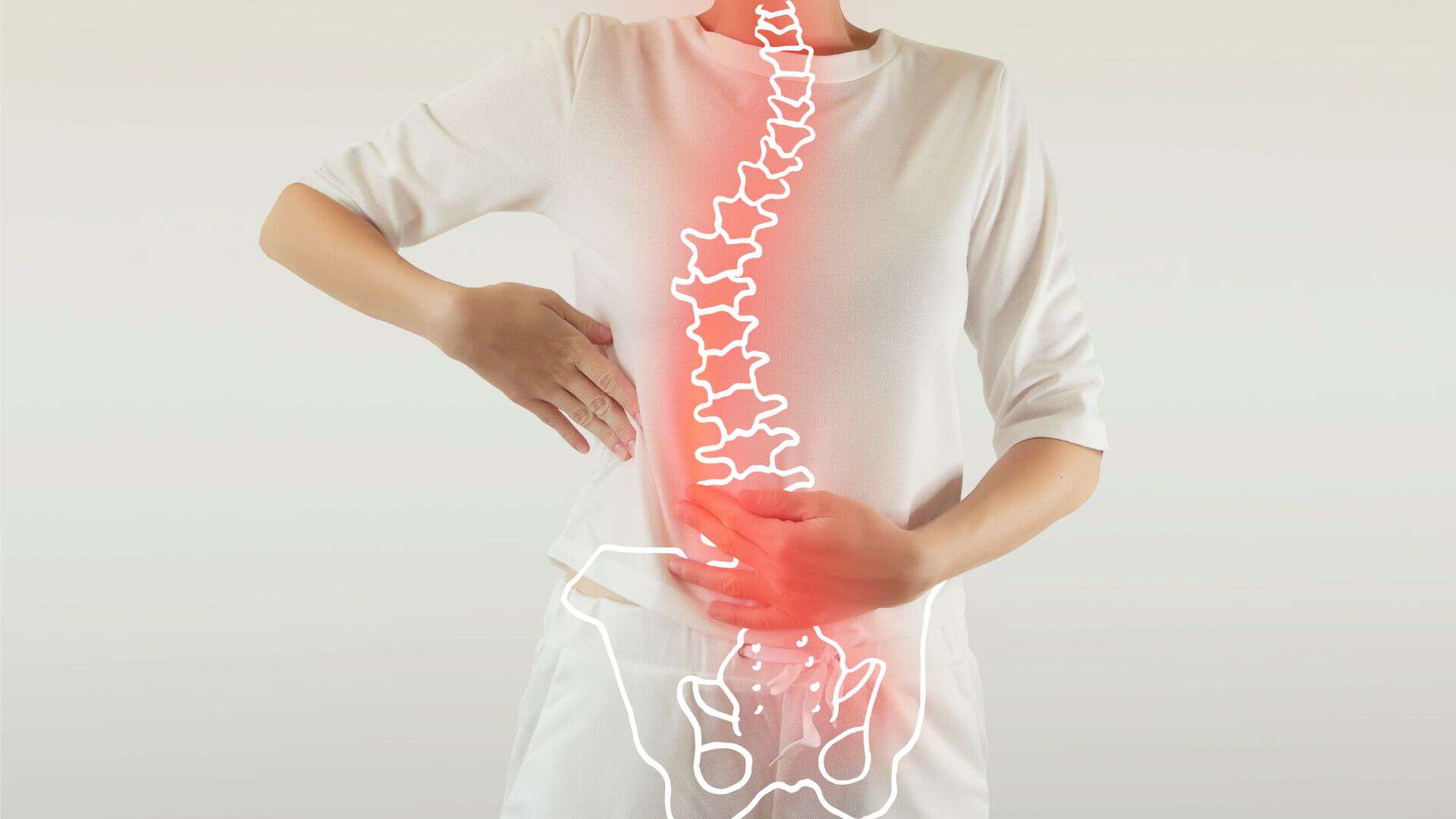
By that point there are usually several things happening at once. There may still be a structural problem, a worn facet joint or a disc pressing on a nerve root. There is often ongoing inflammation. The nerve itself may have become sensitized, firing at a lower threshold than it should. And your nervous system has spent months on high alert, which changes sleep, muscle guarding, and mood, all of which feed back into the pain you feel.
A single treatment aimed at one of those layers can only do so much. That is not a failure of the treatment. It is a mismatch between a one dimensional intervention and a problem with several dimensions.

What Counts As Conventional And What Counts As Alternative?
The labels are blurrier than they sound, and it helps to be specific rather than tribal about it.
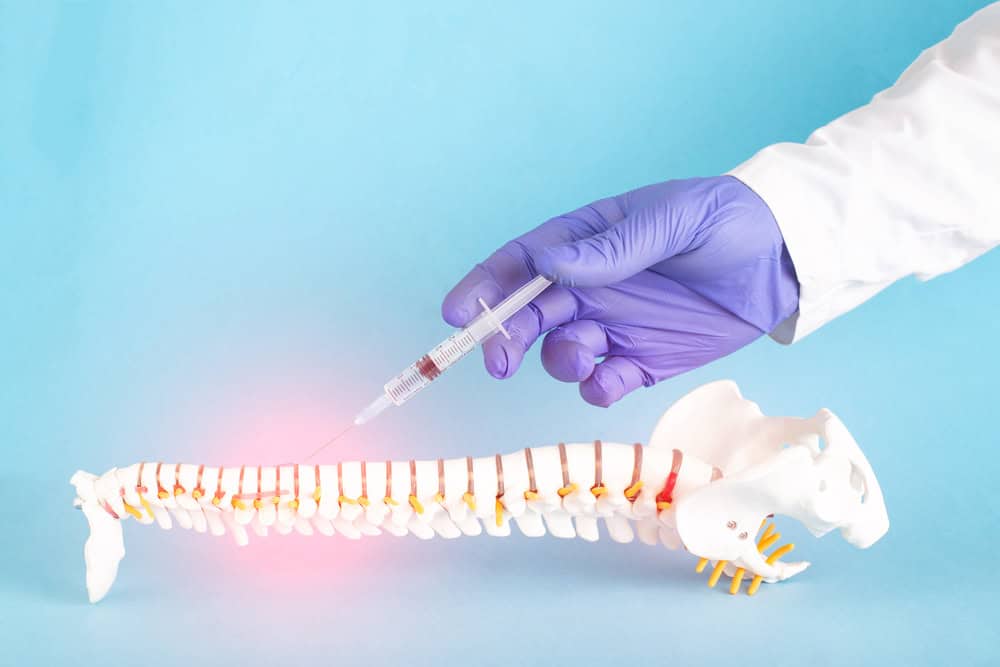
Conventional pain management, in an interventional practice, usually means image guided procedures and structured rehabilitation. Epidural steroid injections, facet blocks, medial branch blocks, radiofrequency ablation, joint injections, and spinal cord stimulation sit in this category, along with physical therapy, prescribed medication, and surgery when it is genuinely indicated. These treatments share a common trait: they act on a specific anatomical target, and their effect can usually be predicted and measured.
Complementary and alternative approaches are broader. Acupuncture, massage and manual therapy, yoga and tai chi, mindfulness based stress reduction, cognitive strategies for pain, heat and cold protocols, transcutaneous electrical nerve stimulation, anti inflammatory nutrition changes, and graded activity pacing all fall here. Some of these have solid research behind them for particular conditions. Others have modest evidence but a long record of being safe and inexpensive. A few have very little support at all, and it is fair to ask which is which.
The useful distinction is not conventional versus alternative. It is targeted versus systemic. Targeted treatments change a specific pain generator. Systemic approaches change how your whole system handles pain signals, how well you sleep, how much you move, and how much fear you carry into movement. Most people with long standing pain need both, and most people are only getting one.
How Combining Treatments Creates A Window For Real Progress
Here is the sequence that tends to work, and the logic behind it.
Start with whatever is loudest. If a nerve root is inflamed enough that you cannot sit through a physical therapy session, no amount of exercise or acupuncture is going to stick. An epidural or a nerve block is not the cure in that situation. It is the thing that lowers the volume enough for everything else to become possible.
That period of reduced pain is a window, and windows close. Relief from an injection often lasts several months, sometimes longer, sometimes less. What you do inside that window determines whether you are back in the same chair next year. Filling it with active work, strengthening, mobility, walking tolerance, and sleep repair, is what converts temporary relief into durable change.
This is also where complementary approaches earn their place. Mindfulness training and paced activity work best when the pain is not screaming. Massage and manual therapy help most once the underlying inflammation has been addressed and you are fighting protective muscle guarding rather than acute nerve irritation. Acupuncture is often more useful as maintenance during a stable stretch than as a rescue during a flare.
The reverse order is common and frustrating. People try the gentle things first, get partial relief, decide that nothing works, and then arrive for an injection with a nervous system that has been on alert for two years. It still helps. It just has more to undo.
Run in isolation, each of these can look disappointing. Run in the right order, they compound.
Want live answers?
Connect with a NY Spine Medicine expert for fast, friendly support.
The Benefits Patients Actually Notice When Care Is Combined
Ask someone six months into a combined plan what changed, and they rarely lead with a pain score.
They talk about sleeping through the night. About driving to see family without planning the trip around how long they can sit. About needing less medication, or none, and not having to think about when the next dose is due. About being less afraid of movement, which is its own kind of relief.
There are clinical benefits too, and they are worth naming. Combined care usually means lower doses of medication for shorter periods. It often means longer intervals between procedures, because the gains from each one are protected by the active work in between. And it tends to make flares shorter, because you already have tools that work and a plan for using them.

Which Combinations Reinforce Each Other, And Which Just Overlap
Not every pairing adds something. Some just duplicate effort, and a few work against each other.
Pairings that reinforce each other: an epidural or nerve block followed closely by physical therapy, because the procedure buys the tolerance the therapy requires. Radiofrequency ablation combined with strengthening for the muscles that support the treated joints, because the joint pain is quieted while the support system is rebuilt. Any interventional procedure combined with sleep work and stress reduction, because a rested nervous system reports less pain and recovers faster. A walking program combined with almost anything, because activity tolerance is the outcome most people actually want back.
Pairings that mostly overlap: several passive treatments stacked together. Massage, heat, ultrasound, and an adjustment in the same week may feel good, and feeling good has value, but none of them ask your body to do anything different. If your entire plan is passive, you will be renting relief rather than building it.
Combinations that need care: aggressive manipulation soon after a spinal procedure, high intensity exercise during an acute radicular flare, or stacking several supplements alongside prescribed medication without telling anyone. None of these are automatically wrong. They just need to be sequenced by someone who knows what else you are doing.
The simplest test is to ask what each part of your plan is for. If you cannot answer that for one of them, it is probably filler.
What To Tell Your Doctor Before You Add An Alternative Treatment
Most patients do not mention the supplements, the herbal products, or the practitioner they see on Saturdays. It is not dishonesty. It usually feels irrelevant, or they expect to be judged for it. Neither is a good reason to leave it out.
The things worth disclosing every time: any supplement or herbal product, including fish oil, turmeric, and anything marketed for inflammation, because several of them affect bleeding and matter a great deal before an injection. Any manual therapy or manipulation, especially of the neck, and especially if you have had spine surgery or have significant osteoporosis. Any device you are using at home. Any change in your medication, including stopping something because you read that it was bad for you.
Timing matters as much as the list. Blood thinning effects are the usual reason a procedure gets rescheduled at the last minute, and that is an avoidable waste of your day. Tell the office what you take when the procedure is scheduled, not on the morning of it.
It is equally fair to ask questions in the other direction. What is this treatment supposed to change, and by when? How will we know whether it is working? What happens if it does not? A clinician who cannot answer those questions about their own recommendation deserves the same skepticism you would apply to anything else.
The practical version of all this is simple. Keep one list, on your phone, of everything you take and everyone you see for your pain, and bring it to every appointment. It takes five minutes to make and it prevents most of the problems in this section.
Some symptoms are not candidates for experimentation at all. Weakness that is getting worse, numbness in the groin or inner thighs, loss of bowel or bladder control, fever alongside back pain, or new severe pain after a fall or a car crash all need prompt medical evaluation rather than another therapy added to the stack.
Building A Combined Pain Plan That Fits Your Actual Life
The real takeaway is not that alternative medicine works or that conventional medicine works. It is that pain which has lasted months usually has several drivers, and a plan that addresses one of them will keep delivering partial results.
A better way to frame it: interventional treatments are how you change the conditions, and everything else is how you take advantage of the change. Neither half does much alone. Together they are how most people get their function back.
At NY Spine Medicine, our offices in Manhattan and Brooklyn combine interventional pain management with physical therapy inside the same practice, which means the procedure and the rehabilitation are planned together rather than negotiated between two offices that never speak to each other. We are also comfortable talking through the complementary approaches you are already using, and where they fit, instead of pretending they are not part of your week.
If you have been treating your pain one method at a time and getting one method at a time results, call us at 212-750-1155 and we will help you build something that works as a whole.