
Summary:
Somebody hands you a diagnosis and a treatment suggestion, and it can feel arbitrary. Why an injection now and not six months ago? Why physical therapy first when you already hurt? Why is your neighbor with the same disc problem on a completely different plan?
The answer is that pain management follows a pathway, and most of it is not medication at all. Each step exists for a reason, produces information the next step depends on, and gets skipped only when the clinical picture is urgent.
What follows is that pathway described in order, the way you would read it if you could see it drawn out. Where each step sits, what it is meant to accomplish, and what moves you from one to the next.
Why A Pathway Explains More Than A List Of Treatments
A list of treatments tells you what exists. A pathway tells you what happens next, and that is the question people actually have. The treatments are the same either way. The difference is sequence, and sequence is where most of the clinical judgment lives.
Each step on this pathway does two jobs. It attempts to relieve pain, and it produces information. A course of physical therapy that changes nothing tells your physician something real. A diagnostic injection that relieves pain for a few hours tells them something even more specific. That information is what makes the next step targeted rather than a guess.
The pathway also runs in both directions. People move back down it as they improve, and a step that worked once can often be repeated later. It is not a one way escalator toward surgery, which is what many people quietly assume the moment they hear the word pathway.
Step One: Where Exactly Is The Pain Coming From?
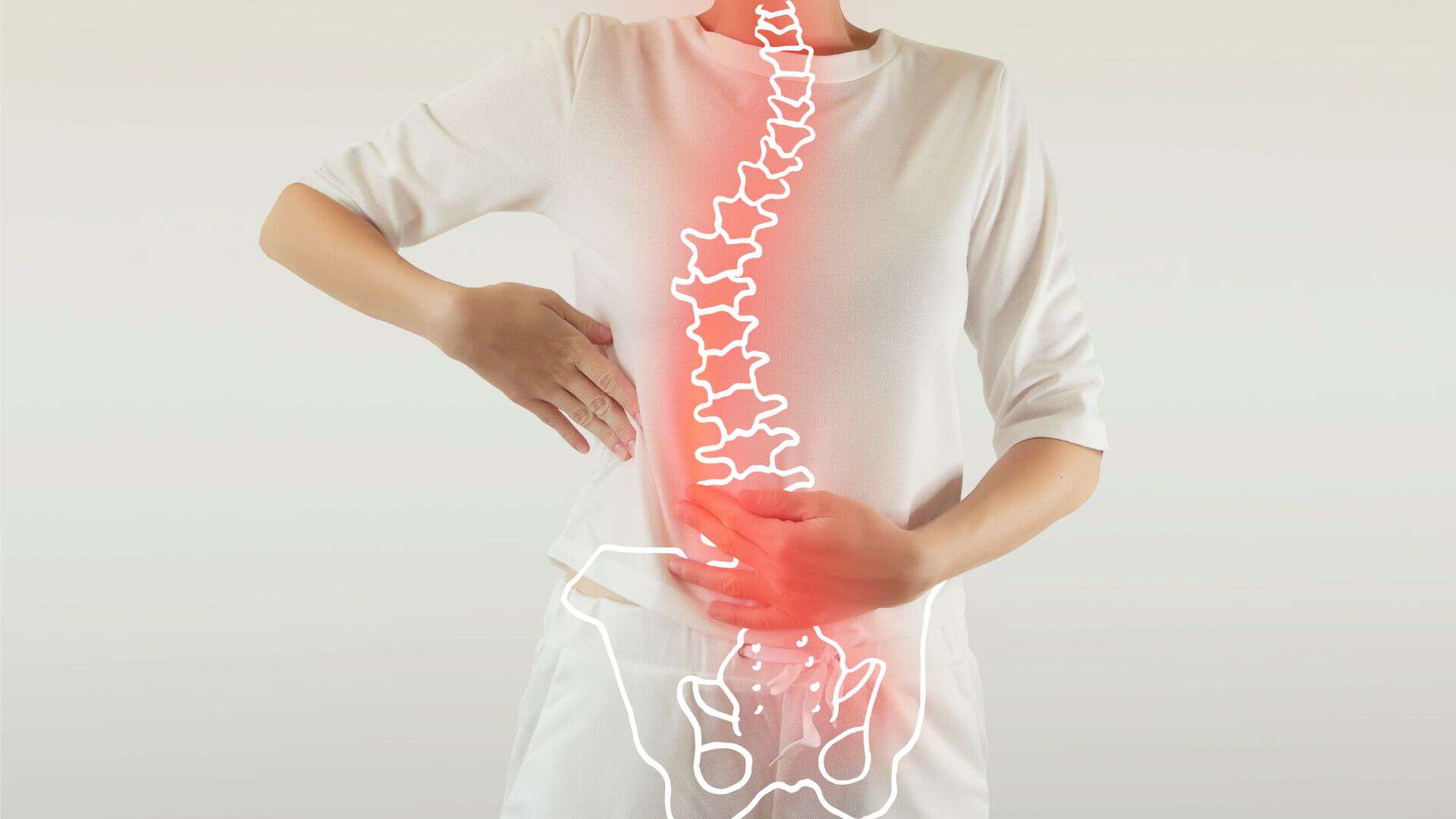
Everything downstream depends on this step, and it gets rushed more often than any other. Back pain is a symptom, not a diagnosis. The same ache across the lower back can come from a disc, a facet joint, the sacroiliac joint, a compressed nerve root, a muscle that has been compensating for months, or some combination of all of them.
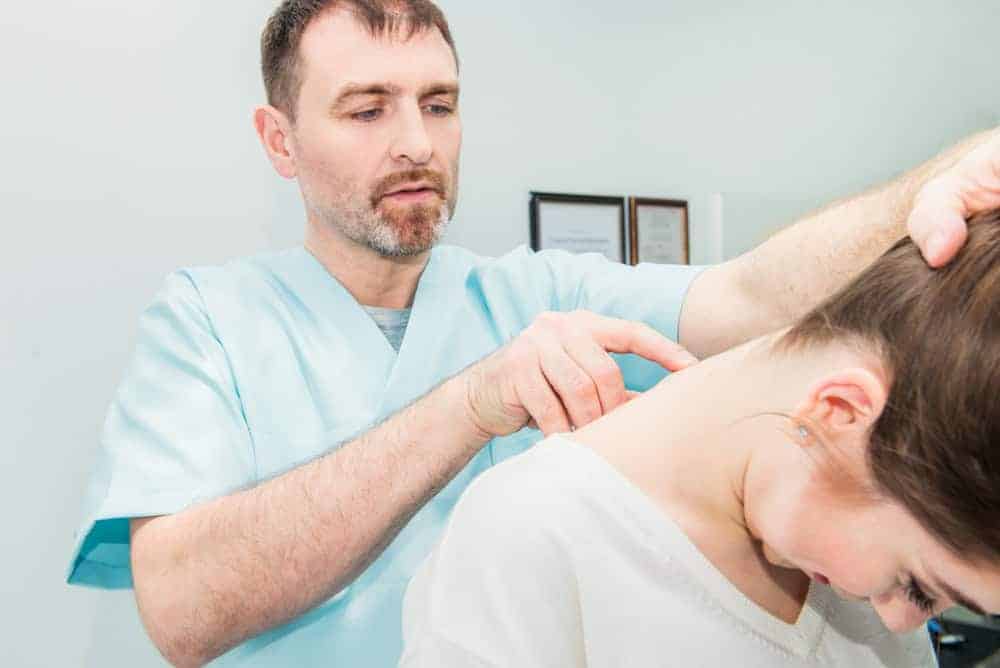
A proper evaluation starts with history. When it started, what makes it worse, what makes it better, whether it travels down a limb, whether there is numbness or weakness, how it is affecting sleep. Then a physical examination that tests movement, strength, sensation, and reflexes, and reproduces the pain in specific positions in order to narrow the list.
Imaging comes after that, not before. This surprises people, but an MRI ordered before anyone has examined you tends to create confusion rather than clarity. Degenerative changes show up on imaging in plenty of people who have no pain at all, so a scan only becomes meaningful when it is read against your actual symptoms and your exam findings.
When nerve involvement is part of the picture, electrodiagnostic testing (EMG and nerve conduction studies) can show whether a nerve is genuinely irritated or compressed, and roughly where. That helps separate a nerve problem originating in the spine from one occurring at the elbow or the wrist, which changes what comes next entirely.
A few findings redirect the pathway immediately. Progressive weakness, new loss of bowel or bladder control, unexplained fever alongside back pain, significant unintentional weight loss, or pain that follows a serious fall or collision are all reasons for prompt evaluation rather than a stepped trial of conservative care.
Done well, this step ends with a working hypothesis about the specific structure generating your pain. Everything after it is built on that hypothesis.
Step Two: Conservative Care And What It Is Actually For
Conservative care is the umbrella term for everything that does not involve a needle or an incision: activity modification, physical therapy, targeted exercise, heat and ice, medication where appropriate, and changes to how you sit, lift, sleep, and move. For a large share of people the pathway ends right here, and that is a good outcome rather than a consolation prize.
The most common misunderstanding is that physical therapy is mainly about strengthening. Strength matters, but the bigger wins usually come from restoring movement patterns that got abandoned when the pain started. Bodies protect themselves. You stop bending a certain way, another muscle picks up the slack, and six weeks later the compensation is generating its own pain on top of the original problem.
It also matters that the program is built around your specific findings. A generic sheet of exercises handed over at a front desk is not the same thing as a program designed from what your examination actually showed.
A fair trial is typically several weeks of consistent work, not two visits. Progress in this phase is rarely linear, and a flare after a good week does not mean the therapy failed. What your physician is watching for is the trend across weeks.
Medication in this phase is supportive rather than central. It is there to make movement possible, and movement is what actually changes the underlying situation. Anything prescribed should come with a plan for how long it is meant to last and what it is meant to enable.
If several weeks of honest conservative care produces meaningful improvement, you stay here and keep going. If it produces nothing, or if pain traveling down a limb is getting worse, that is the signal to move up. Not because conservative care failed, but because it produced a clear answer.
Want live answers?
Connect with a NY Spine Medicine expert for fast, friendly support.
Step Three: Diagnostic Injections That Confirm The Source
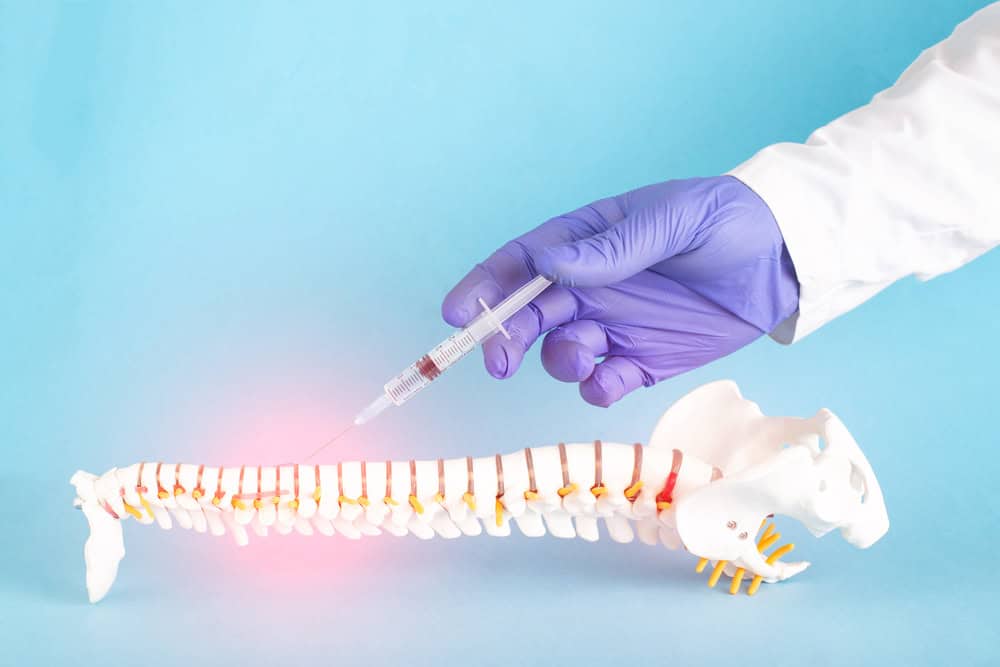
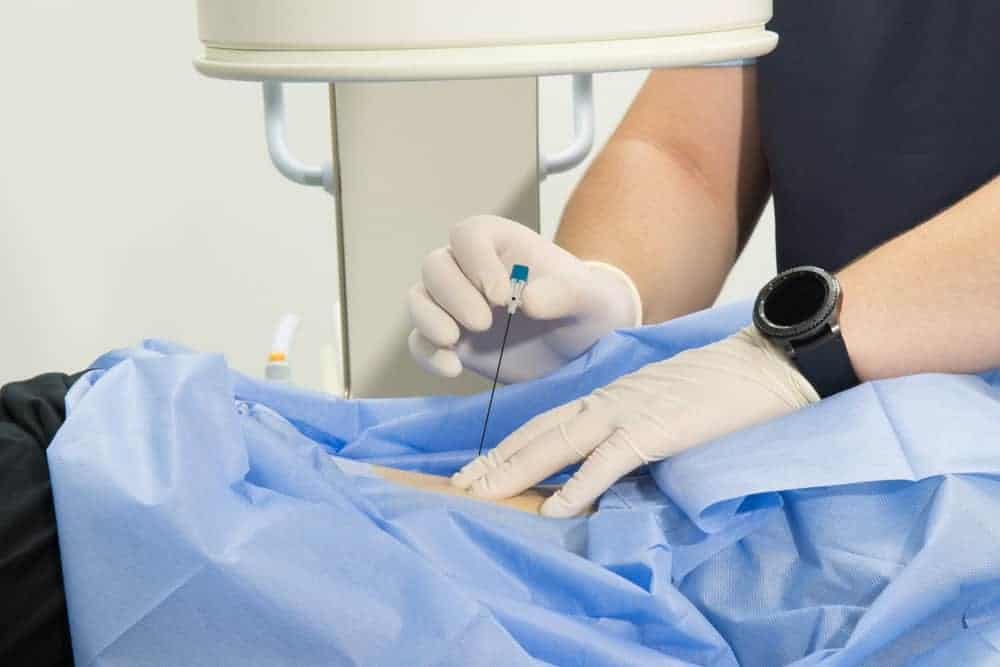
This is the step most people have never heard of, and it is the hinge of the entire pathway. A diagnostic injection places a small amount of local anesthetic at one specific structure, under live X ray guidance, to find out whether numbing that structure takes the pain away.
The logic is straightforward. If numbing a particular facet joint relieves your pain for a few hours, that joint is very likely the source. If it changes nothing, it is not, and you have just ruled out a treatment that would have been aimed at the wrong target.
Which is why the response often matters more than the relief. The relief is temporary by design, because local anesthetic wears off. The information is what lasts, and it is what makes the next step, a therapeutic procedure aimed at a confirmed target, worth doing at all.

Step Four: Therapeutic Procedures Aimed At A Confirmed Target
Once the source is identified, treatment can be aimed rather than sprayed. What that looks like depends entirely on which structure is involved.
For an inflamed nerve root, often from a herniated disc or spinal stenosis, an epidural steroid injection delivers anti inflammatory medication into the space around the irritated nerve. It is performed in an outpatient setting under fluoroscopic guidance, usually takes well under half an hour, and when it works, relief often lasts from several weeks to several months. It is frequently used to open a window in which physical therapy finally becomes tolerable.
For facet joint pain confirmed by diagnostic blocks, radiofrequency ablation uses controlled heat to interrupt the small medial branch nerves carrying pain signals from that joint. Those nerves regenerate over time, so the relief is not permanent, but it commonly lasts many months and the procedure can be repeated.
For sacroiliac joint pain, targeted injections into or around the joint serve a similar purpose. For certain nerve related pain, specific nerve blocks apply the same principle at a different location along the pathway of the nerve.
The common thread is that none of these are meant to stand alone. A procedure that reduces pain without a rehabilitation plan behind it tends to buy time rather than change the trajectory. The sequence that actually works is procedure first, then the therapy the pain had been preventing.
Expect an honest conversation about repetition. Injections are not unlimited, and a plan that depends on repeating the same procedure indefinitely usually means something earlier in the pathway deserves another look.
Step Five: Advanced Options When The Earlier Steps Fall Short
Most people never reach this part of the pathway. It exists for the smaller group whose pain has persisted through careful evaluation, a genuine trial of conservative care, and targeted procedures. It is worth knowing about anyway, because the assumption that the only thing left is major surgery is frequently wrong.
Spinal cord stimulation is the option that surprises people most. A thin lead is placed in the epidural space and connected to a small generator, and it modifies the pain signals traveling toward the brain. What makes it unusual is the trial period: the system is tested externally for several days before anything is implanted permanently, so you get to find out whether it helps you before committing to it. It is used most often for persistent nerve related pain, including pain that continues after spine surgery.
For painful vertebral compression fractures, usually related to osteoporosis, kyphoplasty stabilizes the fractured bone with cement through a small access point. It is a targeted structural repair for a specific problem rather than a general pain treatment, and when that fracture is genuinely the source, improvement can come quickly.
Regenerative approaches, including platelet rich plasma, sit at the edge of this pathway. They are being actively studied, the evidence varies considerably depending on the condition, and they are best discussed as an option carrying real uncertainty rather than as a settled answer.
Surgical referral belongs on this step too. Some findings, particularly significant nerve compression with progressive weakness, are surgical problems from the beginning. A pain management practice is not a barrier standing between you and surgery. It is where you find out whether you actually need one.
Also here: multidisciplinary care for pain that has been present a long time, where sleep, mood, deconditioning, and pain all reinforce each other. Treating only the structure in that situation tends to underperform, and the pathway has to widen rather than simply climb.
Figuring Out Where You Currently Sit On The Pathway
The takeaway is that pain management is not a grab bag of interventions, and it is not primarily about medication. It is a sequence in which each step earns the next one by producing information. Evaluation, conservative care, diagnostic confirmation, targeted treatment, and advanced options for the people who genuinely need them.
Reframed usefully: if you know which step you are on, you can ask much better questions. What would move me forward from here? What would we learn from this? What result would tell us this is not working? Those questions are far more productive than asking whether a particular treatment is good.
At NY Spine Medicine, evaluation, electrodiagnostic testing, image guided procedures, and physical therapy all happen under one roof, which means the handoffs between steps are coordinated rather than reassembled from separate offices weeks apart. That coordination is usually what decides whether a pathway keeps moving or quietly stalls.
If you are not sure where you sit on this pathway or what should reasonably come next, call us at 212-750-1155 and we will help you work it out.